The Metabolism Myth After 35: Why Your Body Feels Slower (And How to Fix It)

The Metabolism Myth After 35: Why Your Body Feels Slower (And How to Fix It) You hit 35… and suddenly, fat loss becomes harder, energy dips, and your body doesn’t respond like it used to. So you blame your metabolism. But here’s the truth: your metabolism isn’t broken, it’s misunderstood. For most dads, the issue isn’t age alone. It’s a combination of lifestyle shifts, muscle loss, stress, and poor recovery habits that create the illusion of a “slow metabolism.” Let’s break the myth, and show you how to fix it. What Is Metabolism (Really)? Metabolism refers to all the processes your body uses to convert food into energy. Your metabolism includes: Basal Metabolic Rate (BMR): Calories burned at rest Physical activity: Workouts + daily movement Thermic effect of food: Energy used for digestion 👉 The biggest factor? Muscle mass. The more muscle you have, the more calories your body burns, even at rest. Why Your Body Feels Slower After 35 Your metabolism doesn’t crash overnight, but several factors start working against you. 1. Muscle Loss (The Biggest Culprit) After 30, you naturally lose 3–8% muscle mass per decade. Less muscle = fewer calories burned. 2. Reduced Physical Activity Busy dad life often means: More sitting Less movement Fewer workouts This reduces your daily calorie burn significantly. 3. Hormonal Changes Testosterone gradually declines with age, affecting: Muscle growth Fat storage Energy levels 4. Poor Sleep and High Stress Lack of sleep and chronic stress increase cortisol, which: Slows fat loss Increases belly fat Reduces recovery 5. Inconsistent Nutrition Skipping meals, overeating, or poor food choices can: Disrupt metabolism Reduce energy efficiency Lead to fat gain The Truth: Your Metabolism Isn’t Broken Here’s what research shows: 👉 Your metabolism doesn’t significantly slow down until much later in life. What actually changes is: Your lifestyle habits Your muscle mass Your daily movement Good news? All of these are controllable. How to Boost Your Metabolism Naturally (For Dads) 1. Build and Maintain Muscle Strength training is your #1 weapon. Focus on: Compound exercises (squats, push-ups, rows) 3–4 sessions per week 👉 More muscle = higher metabolism. 2. Increase Daily Movement (NEAT) NEAT = Non-Exercise Activity Thermogenesis. Simple ways to boost it: Walk more Take stairs Stay active with your kids Small movements = big calorie burn over time. 3. Prioritize Protein Intake Protein helps: Build muscle Increase calorie burn during digestion Keep you full longer Aim for high-protein meals daily. 4. Fix Your Sleep Routine Sleep is critical for: Hormone balance Fat loss Energy 👉 Target 7–8 hours per night. 5. Manage Stress Effectively Chronic stress slows your progress. Add: Breathing exercises Meditation Outdoor time 6. Avoid Extreme Dieting Crash diets: Slow metabolism Reduce muscle mass Lead to rebound weight gain Instead, focus on sustainable nutrition. Common Metabolism Myths Dads Still Believe ❌ “My metabolism is slow because I’m older” ✔️ Reality: Lifestyle matters more than age ❌ “Eating less will fix everything” ✔️ Reality: Undereating can slow metabolism ❌ “Cardio is the best fat-loss tool” ✔️ Reality: Strength training is more effective long-term How FitDad Club Helps You Reset Your Metabolism At FitDad Club, we help dads fix the real problem, not just symptoms. Our approach: Strength-focused training plans Sustainable fat loss strategies High-protein nutrition guidance Recovery and stress management systems We design everything around busy dad lifestyles, so results are realistic and long-lasting. Conclusion: Take Back Control of Your Body Your metabolism isn’t your enemy, it’s your responsibility. Once you: Build muscle Move more Eat smarter Recover better 👉 Your body starts working for you again. Recent Posts Help others discover this!
Recovery Is the New Growth: Why Modern Dads Need More Rest to Build Muscle & Energy
Recovery Is the New Growth: Why Modern Dads Need More Rest to Build Muscle & Energy Most dads believe growth happens in the gym. More reps, heavier weights, longer sessions. But here’s the truth: real growth happens during recovery. If you’re constantly tired, sore, or not seeing results despite effort, the problem isn’t your workout, it’s your lack of recovery. For busy dads juggling work, family, and fitness, prioritizing rest isn’t optional anymore. It’s the secret weapon for strength, fat loss, and long-term health. What Does “Recovery” Actually Mean? Recovery is not just about sleep, it’s a complete process where your body repairs and grows stronger. Key Components of Recovery: Sleep quality and duration Muscle repair after workouts Hormonal balance (testosterone, cortisol) Mental recovery from stress Without proper recovery, your body stays in a constant stress mode, blocking muscle growth and fat loss. Why Recovery Is Critical for Dads Over 30 As you age, your body doesn’t recover like it used to in your 20s. Here’s what changes: Slower muscle repair Reduced testosterone levels Increased stress and fatigue Higher risk of injury Signs You’re Not Recovering Enough: Constant soreness Low energy throughout the day Poor sleep Plateau in fat loss or muscle gain If this sounds familiar, your body is asking for rest, not more workouts. The Science: How Recovery Builds Muscle When you train, you actually break down muscle fibers. Recovery is when: Muscle fibers rebuild stronger Glycogen stores replenish Hormones regulate growth Inflammation reduces Without recovery: Muscle loss increases Fat retention goes up Performance drops Bottom line: No recovery = No progress. Top Recovery Strategies Every Fit Dad Should Follow 1. Prioritize Sleep Like a Non-Negotiable Aim for 7–8 hours of quality sleep. Tips: Avoid screens before bed Maintain a consistent sleep schedule Keep your room cool and dark 2. Don’t Train Hard Every Day More workouts ≠ better results. Instead: Alternate intense and light days Include rest days (2–3 per week) 3. Fuel Your Body Properly Recovery needs the right nutrition. Focus on: Protein (muscle repair) Healthy fats (hormone support) Carbs (energy replenishment) 4. Add Active Recovery Not all rest means doing nothing. Include: Walking Stretching Mobility exercises Light yoga 5. Manage Stress Levels Chronic stress increases cortisol, which: Blocks fat loss Reduces muscle gain Try: Deep breathing Meditation Spending time in nature Why Dads Ignore Recovery (And Why That’s Costly) Most dads: Feel guilty resting Think “more effort = faster results” Have limited time, so they push harder But this leads to: Burnout Injuries Zero visible progress Smart dads don’t just train hard, they recover smarter. How FitDad Club Helps You Recover and Grow At FitDad Club, we don’t just focus on workouts, we build a complete system for transformation. Our approach includes: Personalized workout plans with recovery built-in Sleep and stress optimization strategies Sustainable nutrition guidance Real-life routines designed for busy dads Conclusion: Train Less, Grow More If you’ve been stuck despite giving your best, here’s your shift: 👉 Stop chasing more workouts👉 Start prioritizing better recovery Because the strongest, fittest dads aren’t the ones who grind endlessly… They’re the ones who recover intentionally. Recent Posts Help others discover this!
Muscle Loss After 30: Why It Happens & How Dads Can Reverse It

Muscle Loss After 30: Why It Happens & How Dads Can Reverse It You may not notice it immediately, but once you cross 30, your body begins to change, subtly at first, then more noticeably over time. Strength decreases, metabolism slows, and fat gain becomes easier. The culprit? Muscle loss after 30, also known as age-related muscle decline. For busy dads juggling work and family, this often goes unnoticed until energy drops, workouts feel harder, and results stall. The good news is that with the right approach, preventing muscle loss and rebuilding strength is absolutely achievable. What Is Muscle Loss After 30? Muscle loss, or sarcopenia, is a natural process where the body gradually loses muscle mass and strength with age. Starting in your 30s, you can lose 3–8% of muscle mass per decade if no action is taken. Why It Happens Declining testosterone levels Reduced physical activity Poor nutrition (low protein intake) Increased stress and poor sleep Sedentary lifestyle This combination leads to slower metabolism and increased fat storage—especially around the belly. Signs You’re Losing Muscle Most men don’t recognize muscle loss early. Watch out for these signs: Decreased strength during workouts Increased body fat despite similar diet Low energy and fatigue Slower recovery after exercise Poor posture and joint stiffness Why Muscle Loss Is a Big Problem for Dads Muscle isn’t just about appearance, it’s essential for overall health and longevity. 1. Slower Metabolism Less muscle means fewer calories burned at rest, making fat loss harder. 2. Increased Injury Risk Weak muscles put more stress on joints and ligaments. 3. Lower Energy Levels Muscle mass plays a key role in endurance and daily energy. 4. Reduced Confidence Loss of strength and physique can impact mental well-being. How to Prevent Muscle Loss After 30 1. Prioritize Strength Training Strength training is the most effective way to build and maintain muscle after 30. Focus on compound exercises: Squats Deadlifts Push-ups Rows 2. Increase Protein Intake Protein is essential for muscle repair and growth. Aim for 1.2–1.6g per kg of body weight Include eggs, chicken, fish, lentils, and dairy 3. Don’t Ignore Recovery Recovery is where muscle growth actually happens. Sleep 6–8 hours daily Take rest days seriously Manage stress levels 4. Stay Active Daily Even outside the gym, movement matters: Walk more Take stairs Stay physically engaged with your kids 5. Optimize Hormonal Health Simple lifestyle changes can support testosterone levels: Regular exercise Balanced diet Quality sleep Sample Weekly Routine for Busy Dads Here’s a simple structure to follow: Strength training – 3 days/week Light cardio or walking – 2–3 days/week Mobility/stretching – 10 minutes daily Consistency beats intensity every time. How Long Does It Take to Regain Muscle? With proper training and nutrition: Noticeable strength gains: 3–4 weeks Visible muscle improvements: 6–8 weeks Significant transformation: 12+ weeks Conclusion: Build Strength That Lasts Muscle loss after 30 isn’t inevitable, it’s preventable. The real problem is not age, but inactivity and poor habits. At FitDad Club, we help dads rebuild strength, boost energy, and stay in peak shape, without extreme diets or unrealistic routines. Start today. Because a stronger body means a stronger, more present version of yourself, for both you and your family. Recent Posts Help others discover this!
The Modern Dad Posture Problem, And How to Fix It
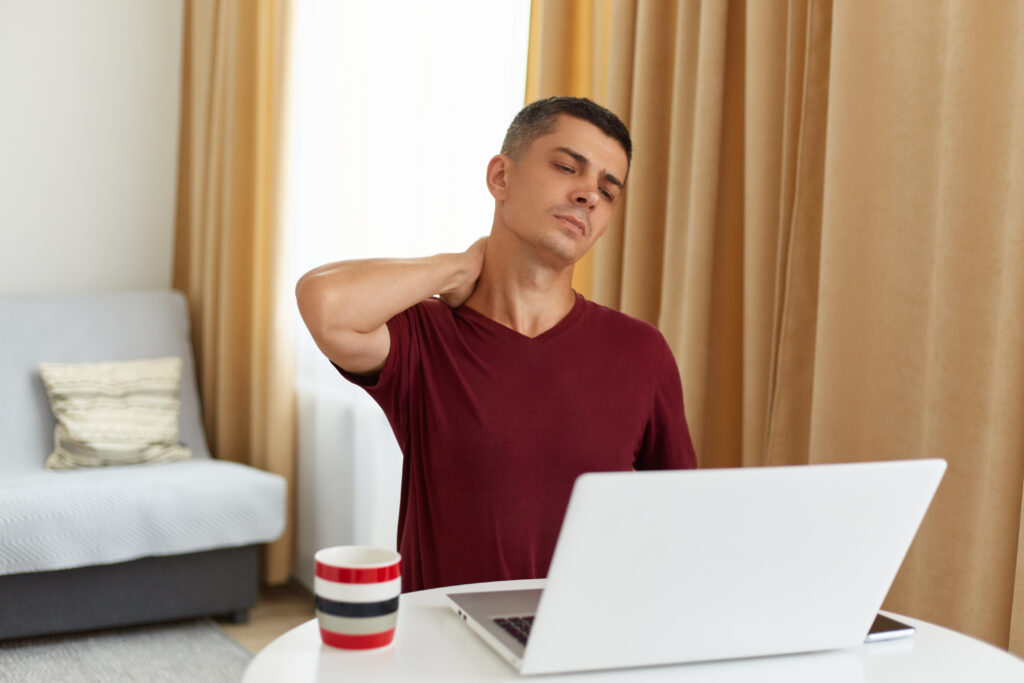
The Modern Dad Posture Problem, And How to Fix It Modern dads are busier than ever, balancing work, family, and personal health. But there’s a silent issue affecting most men today: poor posture. Hours spent sitting at desks, driving, or scrolling on phones have created what experts now call the modern dad posture problem. If left unchecked, poor posture can lead to chronic back pain, low energy, reduced confidence, and even long-term health complications. The good news? It’s completely fixable with the right approach. What Is the Modern Dad Posture Problem? The modern lifestyle has drastically reduced daily movement. Most dads spend: 6–10 hours sitting daily Long periods looking down at screens Minimal time engaging in mobility exercises This leads to common posture issues like: Rounded shoulders Forward head posture (“tech neck”) Tight hips and weak glutes Lower back strain These imbalances don’t just affect how you look, they impact how your body functions. Why Poor Posture Is a Bigger Problem Than You Think 1. Chronic Pain and Stiffness Bad posture puts unnecessary strain on your spine and muscles, leading to persistent back, neck, and shoulder pain. 2. Low Energy Levels Slouching compresses your lungs, reducing oxygen intake and making you feel more fatigued. 3. Reduced Confidence Your posture directly affects your body language. Standing tall can instantly improve how others perceive you—and how you feel about yourself. 4. Slower Fat Loss Progress Poor posture can limit movement efficiency during workouts, affecting your fitness results. The Root Causes of Poor Posture in Dads Understanding the cause is the first step to fixing it: Sedentary work lifestyle Lack of strength training Weak core muscles Tight hip flexors from prolonged sitting Excess screen time How to Fix Your Posture (Simple & Effective Plan) 1. Strengthen Your Core A strong core stabilizes your spine and improves alignment. Focus on: Planks Dead bugs Bird dogs 2. Open Up Your Chest & Shoulders Reverse the effects of slouching with mobility exercises: Chest stretches Wall angels Resistance band pull-aparts 3. Fix Your Sitting Habits You don’t need to quit your desk job, just improve your setup: Keep your screen at eye level Sit with feet flat on the ground Maintain a neutral spine 4. Move Every 30–45 Minutes Set a reminder to stand, stretch, or walk. Even 2–3 minutes of movement can reset your posture. 5. Strength Training Is Non-Negotiable Focus on compound movements: Rows (to fix rounded shoulders) Deadlifts (for posterior chain strength) Face pulls (for upper back health) Daily Posture Checklist for Fit Dads Use this simple checklist to stay on track: ✔ Stand tall with shoulders back ✔ Keep your chin neutral (avoid looking down) ✔ Engage your core while standing/walking ✔ Stretch at least 5–10 minutes daily ✔ Stay consistent with strength training How Long Does It Take to Fix Posture? With consistency, you can start noticing improvements in 2–4 weeks. Significant transformation typically takes 8–12 weeks, depending on your current condition and effort level. Conclusion Posture isn’t just about standing straight, it’s about building a stronger, healthier, and more confident version of yourself. As a dad, your energy, presence, and physical health impact not just you, but your family too. At FitDad Club, we believe small, consistent changes create lasting transformation. Fix your posture, and you’ll unlock better workouts, reduced pain, and improved confidence. Start today, because a stronger dad leads a stronger family. Recent Posts Help others discover this!
Why Walking Might Be the Best Workout for Busy Fathers (Better Than HIIT?)

Why Walking Might Be the Best Workout for Busy Fathers (Better Than HIIT?) Between work meetings, family responsibilities, and trying to maintain a healthy lifestyle, many fathers struggle to find time for exercise. High-Intensity Interval Training (HIIT) is often promoted as the fastest way to get fit, but for busy dads, walking may actually be a more practical and sustainable fitness solution. In fact, recent fitness trends show that daily walking for health, weight loss, and mental well-being is becoming one of the most recommended forms of exercise. For fathers juggling packed schedules, walking offers powerful health benefits without the exhaustion or time commitment of intense workouts. Let’s explore why walking might be better than HIIT for busy fathers. 1. Walking Fits Easily Into a Busy Schedule HIIT workouts require preparation, recovery time, and dedicated workout sessions. Walking, however, can be seamlessly integrated into your daily routine. Easy ways dads can add walking to their day: Walk during work calls Take a 15-minute walk after dinner with family Park farther from the office entrance Walk during kids’ sports practices Take the stairs instead of the elevator Even 20–30 minutes of brisk walking daily can significantly improve cardiovascular health and energy levels. For fathers with unpredictable schedules, walking is a flexible and realistic fitness habit. 2. Walking Reduces Stress and Mental Fatigue Modern fathers often deal with work pressure, financial responsibilities, and parenting challenges. Walking is not only a physical activity but also a powerful mental health tool. Research shows that walking can: Lower cortisol levels Reduce anxiety and stress Improve mood and mental clarity Boost productivity and focus Unlike HIIT, which can sometimes increase stress hormones temporarily, walking promotes relaxation while still providing fitness benefits. A simple 30-minute walk outdoors can reset your mind after a long workday. 3. Walking Is Easier to Maintain Long-Term Consistency matters more than intensity when it comes to health. HIIT workouts are effective but can be difficult to maintain for people with busy schedules or limited recovery time. Many fathers start HIIT programs but struggle to stay consistent. Walking offers several advantages: Low injury risk Minimal recovery time No equipment required Suitable for all fitness levels Because walking is easy to sustain, it often leads to better long-term health results than short bursts of intense workouts. 4. Walking Helps With Sustainable Fat Loss Many people assume HIIT is the only effective workout for weight loss, but walking can also support fat loss when done consistently. Benefits of walking for fat loss include: Burns calories steadily Supports metabolism Reduces belly fat over time Improves insulin sensitivity A daily goal of 8,000–10,000 steps can help fathers maintain a healthy weight without exhausting workouts. Pair walking with balanced nutrition and adequate sleep, and it becomes a powerful fat-loss strategy. 5. Walking Creates Quality Family Time One unique advantage walking has over HIIT workouts is family involvement. Instead of isolating yourself in a high-intensity workout session, walking allows fathers to: Spend time with their children Talk with their partner Build healthy habits as a family Family walks after dinner can improve both physical health and emotional connection. For many dads, this makes walking the most realistic fitness routine. Simple Walking Routine for Busy Fathers If you’re just getting started, try this easy routine: Week 1–2: Walk 20 minutes daily Week 3–4: Increase to 30 minutes brisk walking Week 5+: Aim for 8,000–10,000 steps per day Optional upgrades: Add light strength training twice a week Include weekend nature walks Track steps using a fitness tracker Consistency matters more than perfection. Conclusion While HIIT workouts are effective, they aren’t always practical for fathers managing demanding schedules. Walking offers a simple, sustainable, and powerful way to improve fitness, reduce stress, and stay active without sacrificing family time. For busy dads, the best workout is not necessarily the most intense, it’s the one you can do consistently every day. At FitDad Club, we believe fitness should fit into your life, not compete with it. Start with a simple walk today, your health, energy, and family will thank you. Recent Posts Help others discover this!
The Dad Burnout Formula: Stress, Sleep & Stubborn Weight

The Dad Burnout Formula: Stress, Sleep & Stubborn Weight Modern fatherhood is rewarding, but it’s also relentless. Between career pressure, financial responsibility, parenting, and trying to “be present,” many dads silently carry chronic stress. Over time, this creates what we call the Dad Burnout Formula: high stress + poor sleep + hormonal imbalance = stubborn weight gain. If you’re struggling with belly fat, low energy, and brain fog despite “trying to eat better,” you’re not lazy. You’re likely burned out. At FitDad Club, we see this pattern every day, and it’s reversible. Understanding the Dad Burnout Formula 1. Chronic Stress & Cortisol Overload Stress isn’t just mental, it’s biological. When deadlines, responsibilities, and lack of downtime stack up, your body releases cortisol (the stress hormone). Long-term elevated cortisol can: Increase belly fat storage Trigger sugar cravings Reduce muscle mass Lower testosterone levels Slow metabolic rate This is why many dads develop stubborn abdominal fat, even if they were athletic in their 20s. 2. Sleep Deprivation & Hormonal Disruption Sleep is not optional, it’s metabolic therapy. Most dads average 5–6 hours of interrupted sleep. But chronic sleep deprivation disrupts key hormones: Leptin decreases → You feel less full Ghrelin increases → You feel hungrier Testosterone drops → Fat gain increases Insulin sensitivity declines → Higher fat storage Poor sleep is directly linked to weight gain in men over 30 and reduced fat loss, even when diet is controlled. If you’re waking up tired, craving carbs by 4 PM, and skipping workouts because of exhaustion, the issue isn’t discipline, it’s recovery. 3. The Stress–Sleep–Weight Cycle Here’s how the Dad Burnout Formula loops: Work stress increases cortisol Cortisol disrupts sleep Poor sleep lowers testosterone Low testosterone increases belly fat Weight gain increases stress It becomes a cycle of dad burnout and weight gain. Breaking this loop requires strategy, not crash diets or extreme workouts. Why Traditional Diets Fail Busy Dads Most “fat loss programs for men” ignore lifestyle stress. Extreme calorie deficits + high-intensity workouts + no recovery = more cortisol. That’s why many dads say: “I tried dieting, but I gained the weight back.” Sustainable fat loss for men requires: Balanced nutrition (not starvation) Smart strength training Stress management Sleep optimization Hormonal support through lifestyle changes At FitDad Club, our approach focuses on metabolic health for busy dads, not quick fixes. How to Reverse the Dad Burnout Formula Here’s where transformation begins: Prioritize Sleep First Aim for 7 hours minimum Reduce screen time 60 minutes before bed Maintain consistent sleep timing Train Smarter, Not Harder 3–4 strength sessions weekly Progressive overload Avoid excessive cardio Lower Daily Stress 10-minute walks after meals Breathwork or short meditation Boundaries around work notifications Optimize Nutrition High-protein meals Balanced carbs (not zero-carb) Hydration + micronutrient support This strategy supports natural testosterone optimization, sustainable fat loss, and higher daily energy. The FitDad Club Philosophy Fatherhood doesn’t require burnout. You don’t need another crash diet. You need structure, recovery, and a system designed for real life. At FitDad Club, we help dads reclaim their energy, build strength, and lose stubborn belly fat, without sacrificing family time. Because strong dads build strong families. If you’re ready to break the burnout cycle and take control of your health, the solution isn’t more hustle. It’s smarter strategy. Recent Posts Help others discover this!
Strength Training Over 40: What Actually Works Now

Strength Training Over 40: What Actually Works Now Turning 40 doesn’t mean slowing down.But it does mean training smarter. Many dads try to follow the same workout routines they used in their 20s, high volume, heavy lifting every day, little recovery. The result? Joint pain, slow recovery, stubborn belly fat, and frustration. At FitDad Club, we focus on performance longevity. Strength training over 40 isn’t about ego lifting. It’s about building muscle, protecting testosterone, improving metabolism, and staying injury-free. Here’s what actually works now Why Strength Training After 40 Is Non-Negotiable After 40, men naturally experience: Gradual testosterone decline Reduced muscle protein synthesis Slower recovery Increased visceral fat storage Higher insulin resistance risk Without resistance training, muscle mass declines faster, a process known as age-related muscle loss. Less muscle means a slower metabolism and higher risk of metabolic syndrome. Strength training is the most powerful anti-aging tool available to dads. What Doesn’t Work Anymore Before we talk about what works, let’s address common mistakes: 1. Training Like You’re 25Too much volume, no mobility work, and minimal rest lead to overtraining. 2. Endless CardioCardio alone won’t maintain muscle mass or testosterone levels. 3. Random WorkoutsJumping between programs prevents progressive overload. 4. Ignoring RecoverySleep and nutrition are now as important as lifting. If you feel constantly sore, drained, or stuck with belly fat, it’s time to adjust your strategy. What Actually Works for Dads Over 40 1. Prioritize Compound Lifts Focus on movements that stimulate the most muscle: Squats Deadlifts Bench press Pull-ups Overhead press Compound exercises increase growth hormone and testosterone response while building functional strength. 2. Train 3–4 Days Per Week More isn’t better, better is better. A structured 3–4 day split allows: Adequate recovery Muscle growth Reduced injury risk Better hormone balance Consistency beats intensity. 3. Progressive Overload, But Smarter Instead of chasing max lifts weekly: Increase weight gradually Improve form Add controlled reps Track performance Small weekly improvements lead to long-term gains. 4. Focus on Protein Intake Muscle protein synthesis declines with age, meaning dads over 40 need adequate protein intake to maintain lean mass. Aim for: High-quality protein sources Balanced meals Strength-focused nutrition 5. Don’t Skip Mobility & Core Work Joint health becomes critical after 40. Add: Dynamic warm-ups Hip mobility drills Core stabilization exercises Strong core muscles reduce back pain and improve lifting longevity. 6. Optimize Recovery Recovery is no longer optional. Prioritize: 7–8 hours of sleep Active recovery days Hydration Stress management High cortisol levels can suppress testosterone and slow muscle growth. Recovery supports hormonal resilience. Strength Training & Testosterone After 40 Resistance training is one of the most effective natural testosterone boosters. When paired with: Adequate sleep Healthy fats Reduced belly fat Controlled stress It becomes a powerful hormonal optimization strategy. At FitDad Club, we design programs specifically for dads balancing work, family, and fitness, because time efficiency matters. The FitDad Club Philosophy We don’t train for short-term transformations. We train for: Metabolic health Hormonal balance Muscle preservation Energy stability Longevity Strong dads aren’t defined by how much they bench. They’re defined by how consistently they show up, in the gym and at home. Final Thoughts Strength training over 40 isn’t about going backward.It’s about building forward. When done correctly, resistance training helps dads: Reduce belly fat Improve insulin sensitivity Maintain testosterone Increase confidence Age with power The key is strategy, structure, and recovery. At FitDad Club, we help dads train smarter, so 40 becomes your strongest decade yet. Recent Posts Help others discover this!
The Silent Testosterone Drop Most Dads Ignore | FitDad Club

The Silent Testosterone Drop Most Dads Ignore He’s not lazy.He’s not “just getting older.”He’s not losing ambition. Many dads in their late 30s and 40s are experiencing something rarely discussed — a gradual testosterone decline that impacts energy, muscle mass, mood, and metabolism. Unlike dramatic hormonal shifts women experience, men’s testosterone drop is slow and subtle. That’s why it often goes unnoticed. At FitDad Club, we call this the silent performance decline and it’s more common than most fathers realize. What Is the Silent Testosterone Drop? Testosterone levels in men naturally begin declining by about 1% per year after age 30. But modern lifestyle stressors are accelerating that drop. Low testosterone (Low T) doesn’t always mean extreme symptoms. It often shows up as: Afternoon fatigue Reduced muscle definition Increased belly fat Lower motivation Brain fog Reduced libido Slower recovery after workouts Many dads blame work stress or aging, but hormones play a major role. Why Modern Fatherhood Accelerates Hormone Decline Today’s dads juggle career pressure, financial responsibilities, family commitments, and poor sleep. These factors directly affect testosterone production. 1. Chronic Stress & Cortisol High cortisol suppresses testosterone production. Long-term stress literally shifts the body from growth mode to survival mode. 2. Poor Sleep Quality Testosterone is primarily produced during deep sleep. Sleep deprivation significantly reduces hormone output. 3. Increased Body Fat Visceral fat converts testosterone into estrogen, worsening hormonal imbalance. 4. Sedentary Work Life Long hours at a desk reduce metabolic flexibility and muscle stimulation. 5. Ultra-Processed Diets High sugar intake increases insulin resistance, which is linked to lower testosterone levels. The result? A slower metabolism, stubborn fat gain, and declining physical performance. The Metabolic Impact of Low Testosterone Testosterone isn’t just about masculinity, it’s a metabolic hormone. Healthy testosterone levels support: Muscle protein synthesis Fat oxidation Insulin sensitivity Bone density Mental focus Cardiovascular health When levels decline, muscle mass decreases and fat storage increases. This creates a cycle where weight gain further suppresses testosterone. Breaking that cycle requires a strategy focused on metabolic health, not crash dieting. The FitDad Club Approach to Testosterone Optimization At FitDad Club, we don’t promote extreme bulking, fad supplements, or quick-fix hormone boosters. Instead, we focus on sustainable strategies that naturally support testosterone production. 1. Strength Training Is Non-Negotiable Resistance training is one of the most powerful natural testosterone stimulators. Compound lifts and progressive overload signal the body to maintain muscle and hormone levels. 2. Prioritize Protein & Healthy Fats Testosterone is built from cholesterol. Diets too low in healthy fats can negatively impact hormone production. Focus on: Eggs Lean meats Nuts & seeds Olive oil Fatty fish 3. Optimize Sleep Aim for 7–8 hours of consistent sleep. Even one week of restricted sleep can significantly lower testosterone levels. 4. Reduce Belly Fat Improving insulin sensitivity through strength training and controlled carbohydrates helps reduce visceral fat and rebalance hormones. 5. Manage Stress Strategically Daily walks, breathwork, and structured workouts lower cortisol and support hormone recovery. Signs It’s Time to Take Action If you’re a dad experiencing: Stubborn abdominal fat Lower workout performance Mood fluctuations Declining motivation Energy crashes It’s time to stop ignoring the silent drop. Hormonal health is not about vanity, it’s about longevity, strength, and showing up fully for your family. The Bigger Picture: Strength as a Lifestyle At FitDad Club, our mission goes beyond aesthetics. We help dads: Rebuild muscle Restore metabolic health Improve hormonal balance Boost energy naturally Age with strength and resilience Because strong dads raise strong families. The silent testosterone drop doesn’t have to define your 40s. With the right training, nutrition, and recovery systems, your body can perform better than it did in your 30s. It’s not about turning back time.It’s about rebuilding power. Recent Posts Help others discover this!
Healthy Home Challenge 2026 | FitDad Family Wellness

Healthy Home Challenge 2026 | FitDad Family Wellness A Family Wellness Movement Powered by FitDad Club Your Healthiest Home Journey Starts Today! At FitDad Club, we believe one powerful truth: Strong Dads Build Strong Families. Fathers are leaders, protectors, providers, but often, their own health takes a backseat. Long work hours, stress, irregular meals, and lack of movement slowly impact energy, fitness, and overall well-being. The Healthy Home Challenge 2026 is here to change that. This is not just a fitness program. This is a people’s wellness movement designed to transform entire families, starting with you. Why the Healthy Home Challenge Matters Your family looks up to you. When dads prioritize health: Children learn discipline and consistency Spouses feel supported in their wellness journey Family routines become healthier Emotional and physical strength improves at home A healthy home doesn’t happen by accident. It happens by example. What is the Healthy Home Challenge 2026? The Healthy Home Challenge 2026 by FitDad Club is a structured family transformation movement that encourages fathers to lead from the front, and invite their wives and children to join the journey. This challenge focuses on: Practical home workouts for busy dads Simple, sustainable nutrition habits Stress management and mental resilience Family fitness routines Building stronger bonds through shared goals Instead of one person “trying to get fit,” the entire household becomes a wellness team. The Healthy Home Promise When you join the movement, you commit to: ✔ Prioritizing health as a family value ✔ Moving daily, even 20–30 minutes counts ✔ Choosing better food without extreme dieting ✔ Supporting each other without judgment ✔ Building a positive, energetic home environment This isn’t about six-pack abs. It’s about long-term strength, stamina, and leadership. Why Refer Your Wife & Kids? Because transformation multiplies when it’s shared. When your spouse joins: Healthy cooking becomes easier Accountability increases Lifestyle changes become sustainable Emotional connection grows When kids join: They build discipline early Screen time reduces Physical confidence improves Healthy habits become normal You’re not just getting fit. You’re building a Healthy Home. Powered by FitDad Club FitDad Club is committed to helping fathers improve strength, energy, and confidence, without complicated routines or unrealistic expectations. The Healthy Home Challenge 2026 expands this vision from individual fitness to family wellness. Because a healthier society begins inside stronger homes. Who Is This For? This challenge is ideal for: Busy dads struggling to find time for fitness Fathers wanting to set a strong example Families ready to build healthier routines Men who want sustainable lifestyle change Homes aiming for long-term wellness, not short-term results Your Healthiest Home Starts Today 2026 isn’t about resolutions. It’s about transformation. Imagine: Family workout evenings Healthy meal planning together Reduced stress at home More energy, confidence, and positivity Kids growing up with strong wellness values That’s the power of a Healthy Home. Ready to Make the Healthy Home Promise? Refer your wife and your kids today. Transform together. Lead by example. Build strength that lasts. Join the Healthy Home Challenge 2026 Be the reason your family thrives. Recent Posts Help others discover this!
Why Belly Fat After 35 Is Not Just About Calories
Why Belly Fat After 35 Is Not Just About Calories Introduction: Belly fat after 35 is influenced by hormones, stress, and metabolism not just calories. Many dads eat less and train harder but still struggle with stubborn abdominal fat. The real reason often goes deeper than calorie counting. Why Belly Fat After 35 Becomes More Common After 35, several physiological shifts begin: Testosterone levels gradually decline Insulin sensitivity decreases Recovery slows Stress tolerance changes These shifts create a hormonal environment that favors abdominal fat storage. Belly fat after 35 is often hormonal before it is behavioral. The Testosterone Connection Testosterone plays a key role in: Muscle maintenance Fat distribution Metabolic rate Lower testosterone levels are associated with increased abdominal fat storage. When muscle mass declines, metabolism slows even if calorie intake remains similar. Cortisol and Stress Chronic stress increases cortisol levels. Elevated cortisol: Promotes fat storage around the midsection Increases cravings Disrupts sleep Reduces insulin sensitivity For busy dads balancing work and family, stress may be the hidden driver of belly fat after 35. Sleep and Fat Storage Sleep disruption affects: Hunger hormones (ghrelin and leptin) Blood sugar regulation Testosterone production Less than 6–7 hours of quality sleep can increase fat storage signals. Many dads focus on diet while ignoring sleep. The Insulin Resistance Factor As men age, insulin sensitivity naturally declines. When insulin resistance increases: Blood sugar remains elevated longer Fat storage becomes easier Fat burning becomes harder High refined carbohydrate intake combined with low activity accelerates this process. Why Calories Alone Don’t Tell the Full Story Calorie balance still matters but it’s not the whole picture. Two men can eat the same number of calories and experience different fat storage patterns due to: Hormonal differences Stress levels Muscle mass Sleep quality Belly fat after 35 is a systems issue, not just a math problem. What Actually Works for Reducing Belly Fat After 35 1. Strength Training Maintaining muscle mass increases resting metabolic rate and improves insulin sensitivity. Aim for: 2–4 sessions per week Compound lifts Progressive overload 2. Moderate Cardio Zone 2 cardio supports fat oxidation without increasing stress hormones excessively. Walking, cycling, or light jogging are effective options. 3. Stress Regulation Lowering chronic stress reduces cortisol-driven fat storage. Effective strategies: Deep breathing Time outdoors Clear work boundaries Recovery days 4. Prioritize Sleep 7–8 hours of consistent sleep improves hormonal balance and fat metabolism. Sleep is a performance tool not a luxury. 5. Focus on Protein and Fiber Higher protein intake supports muscle retention and satiety. Fiber improves blood sugar control and digestive health. Long-Term Mindset Shift Belly fat after 35 requires patience and system-level adjustments. Instead of extreme dieting, focus on: Hormonal balance Sustainable habits Consistent strength training Stress management Quick fixes rarely address root causes. Conclusion: Belly fat after 35 is not just about calories. Hormones, stress, sleep, and muscle mass all influence fat storage patterns. At FitDad Club, we believe strong fathers build smart systems not extreme plans. When you optimize recovery, strength, and stress, your body responds. Frequently Asked Questions (FAQ) 1. Why is belly fat harder to lose after 35? Hormonal changes, reduced testosterone, stress, and insulin resistance contribute to increased abdominal fat storage. 2. Can strength training reduce belly fat? Yes. Strength training improves metabolism and hormone balance. 3. Does stress increase belly fat? Yes. Chronic stress raises cortisol, which promotes abdominal fat storage. 4. How long does it take to reduce belly fat after 35? With consistent training, stress management, and proper nutrition, noticeable improvements may appear within 8–12 weeks. Recent Posts Help others discover this!