Ultra-Processed Foods: What Every Dad Must Know
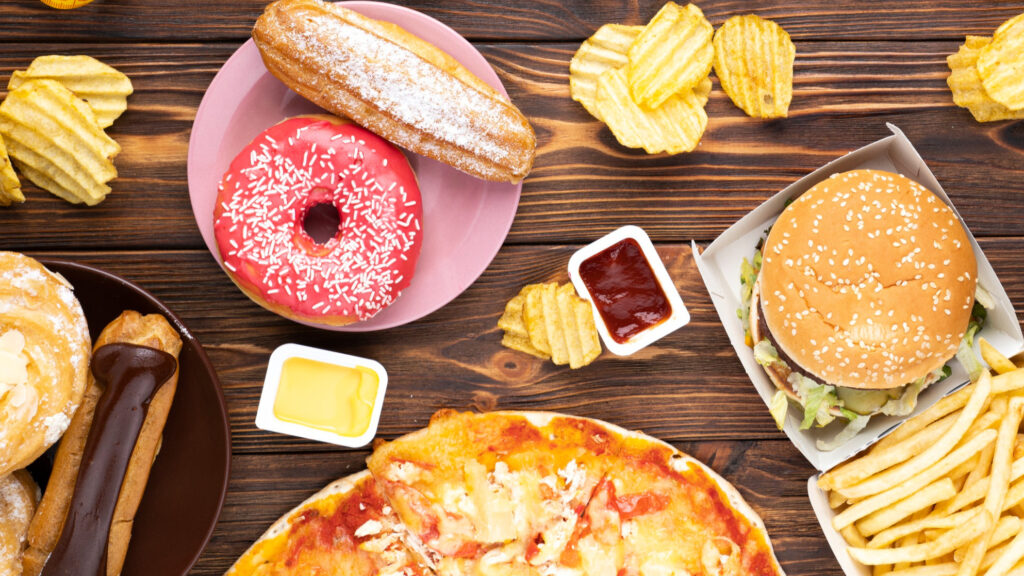
Ultra-Processed Foods: The Silent Killer in Modern Family Diets You scan the breakfast table, a bowl of flavoured cereal, a glass of “fruit” drink, a packaged granola bar sitting next to the lunchbox. Looks normal, right? Maybe even healthy? Here’s the uncomfortable truth: most of what passes for everyday family food today is quietly classified as ultra-processed, and the science calling it dangerous has never been louder. If you’re a dad between 25 and 45 who cares about your health and your family’s future, this is the conversation you can’t afford to skip. What Exactly Are Ultra-Processed Foods? Ultra-processed foods (UPFs) aren’t just “junk food.” The term comes from the NOVA food classification system, a globally recognised scientific framework that categorises foods based on the extent and purpose of their processing, not just their nutrient content. UPFs are industrial formulations made with substances extracted from whole foods, or synthesised entirely in labs, combined with additives you’d never find in a home kitchen: emulsifiers, artificial colours, flavour enhancers, and preservatives. Common examples include: Packaged namkeen, chips, and instant noodles Breakfast cereals with added sugar Flavoured yoghurts and “health” drinks Ready-to-eat frozen meals Commercial breads, biscuits, and packaged cookies Soft drinks and sugar-sweetened beverages The uncomfortable reality? India’s Economic Survey 2025–26 flagged ultra-processed foods as a key driver of the country’s obesity and chronic disease crisis, noting that UPFs are rapidly displacing traditional home-cooked diets across all income groups. The Science Is Clear: UPFs Are Damaging Your Health This isn’t fearmongering, the data is overwhelming. A landmark 2024 umbrella review of 45 meta-analyses covering nearly 10 million people found that diets high in ultra-processed foods are linked to 32 distinct health conditions, including obesity, Type 2 diabetes, cardiovascular disease, colorectal cancer, anxiety, and depression, according to researchers at Johns Hopkins Bloomberg School of Public Health. The risks only get more specific when you look at the numbers: 50% higher risk of cardiovascular disease death 55% higher risk of obesity 48% higher risk of anxiety disorders 40% higher risk of Type 2 diabetes 21% higher risk of early death from any cause Perhaps most striking for men: a 2022 BMJ study found that men who ate the most ultra-processed foods had a 29% higher risk of developing colorectal cancer. Every extra 100 grams of UPFs consumed daily further increases the risk of hypertension, cancer, digestive disease, and mortality, according to research presented at the American College of Cardiology’s Asia 2025 Scientific Meeting. Why Dads Are Particularly Vulnerable The Busy Dad Trap As a working father, convenience is survival. Long commutes, back-to-back meetings, school runs, and late nights make grabbing a packet off the shelf feel like the only option. Food companies know this. They’ve spent billions making ultra-processed products faster, cheaper, and engineered to be impossible to put down. The problem is what’s happening inside your body while you’re just trying to get through the day. Your Body Pays the Price Men Ignore Men in the 30-45 age group often dismiss subtle warning signs, fatigue, brain fog, expanding waistlines, poor sleep, mood swings, as “just getting older.” In many cases, a UPF-heavy diet is a direct contributor. These foods create chronic, low-grade inflammation, spike blood sugar erratically, disrupt gut microbiome health, and compromise hormonal balance, including testosterone production. Your Kids Are Watching – And Eating Here’s the part that should hit home hardest. Children develop their food preferences and eating patterns before the age of 10. What they eat now shapes their health for decades. A UNICEF 2025 report revealed that one in five children and adolescents globally is now living with overweight or obesity, and unhealthy food environments at home and school are a primary cause. In India, the situation is alarming. <In 2020, the average Indian household already derived more calories from processed foods than from fruits>, according to a Lancet study. The market for ultra-processed foods in India exploded from USD 900 million in 2006 to USD 37.9 billion by 2019, growing at over 33% annually. Your children are being targeted by aggressive food marketing designed by experts in behavioural science. You, as their father, are their best counter-force. Practical Steps Every Dad Can Take Starting This Week You don’t need a nutritionist on speed dial or a complete pantry overhaul tonight. Start here. 1. Learn to Read Labels, Not Just Front Packaging If an ingredient list has more than five items, or contains words you can’t pronounce, treat it as a red flag. Look for added sugars disguised as maltodextrin, dextrose, corn syrup, or fructose. 2. Swap One UPF Per Day Replace one processed snack with a whole-food alternative. Swap packaged biscuits for a handful of roasted nuts. Swap a flavoured drink for nimbu paani or coconut water. Small swaps compound over weeks. 3. Cook One Meal Together as a Family Weekly Involvement builds habits. Children who help prepare food are significantly more likely to eat it, and more likely to develop a healthy relationship with real food long-term. 4. Stock Your Kitchen Strategically Convenience is the enemy of good nutrition when only UPFs are convenient. Keep boiled eggs, cut fruit, nuts, and curd visible and accessible. Make the healthy choice the easy choice. 5. Challenge “Health Halo” Products Protein bars, “multigrain” crackers, flavoured oats, and fortified juices often qualify as ultra-processed despite their health claims. If it comes in a flashy packet with a long ingredient list, question it. The Fitdad Mindset: Protect Your Family’s Future Being a great dad in 2026 isn’t just about providing, it’s about modelling. When you choose real food, your kids learn to choose real food. When you read labels, they ask questions. When you cook, they watch and remember. Ultra-processed foods didn’t become the norm because they’re better for us. They became the norm because they’re profitable. Every time you make a conscious food choice for your family, you’re reclaiming your household’s health from a system that isn’t designed with your wellbeing in mind. The science is settled. The action
Gut Health for Men: Fix Your Digestion to Boost Energy and Burn Fat Faster
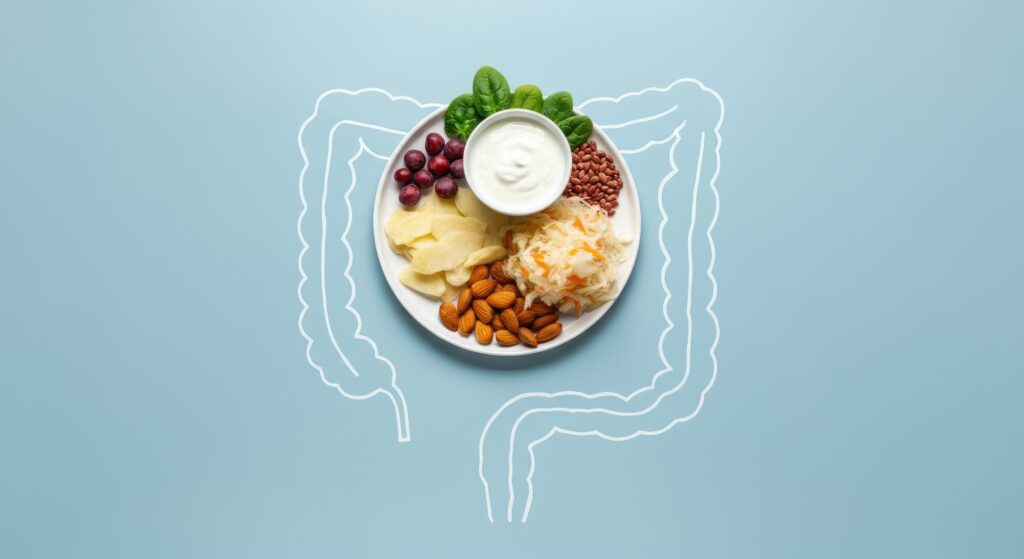
Gut Health for Men: Fix Your Digestion to Boost Energy and Burn Fat Faster You are eating reasonably well. You are training when you can. You are sleeping, sort of. But you still feel tired by noon, your belly is not shifting despite your effort, and some days your brain feels like it is running through wet concrete. Most men blame stress, age, or a bad week. The real answer, backed by a growing body of research, is often sitting in your gut. Gut health for men is not a wellness trend invented for Instagram. It is one of the most significant, and most consistently overlooked, levers for energy, body composition, hormone balance, and mental performance. If you have never seriously considered your gut as a performance factor, this article is going to change the way you think about your body. What Is the Gut Microbiome and Why Should Men Care? Your gut is home to over 100 trillion bacteria collectively known as your gut microbiome. More than 70% of your immune system resides in your gut, and roughly 90% of all serotonin, an important neurotransmitter that supports mood and sleep, is synthesised there. That means your gut is not just a digestive organ. It is a hormonal factory, an immune hub, a mood regulator, and a direct influencer of your energy levels and metabolic rate. Your gut influences your mood, energy, metabolism, immunity, and even testosterone. When it is healthy, you perform at your best. When it is out of balance, it holds you back. For men in their 30s and 40s carrying career pressure, family responsibilities, and the slow creep of lifestyle-related health decline, this matters enormously. The Signs Your Gut Is Quietly Sabotaging You Most men dismiss these symptoms as normal, they are not. Common signs of poor gut health in men include persistent bloating especially after meals, fatigue even after a full night of sleep, mood changes such as increased irritability and low motivation, skin issues like acne and redness, and frequent illness. Beyond the physical discomfort, poor gut health can slow metabolism and increase cravings, two factors that make fat loss feel nearly impossible no matter how disciplined you are. If any of these sound familiar, your gut, not your willpower, may be the problem. How Poor Gut Health Kills Your Energy Here is the mechanism most men never hear about. When your gut microbiome is out of balance, your body struggles to absorb nutrients properly, experiences increased inflammation, and suffers blood sugar crashes, leaving you feeling tired and foggy. Your gut produces much of your body’s serotonin, and two 2023 reports by the National Institutes of Health directly connect gut microbiome disruptions with chronic fatigue syndrome. Additionally, poor nutrient absorption, especially of iron, B12, and magnesium, leads to persistent fatigue. These are the exact micronutrients that fuel energy production at the cellular level. No supplement will compensate effectively if your gut cannot absorb nutrients in the first place. The Gut-Fat Loss Connection: Why Your Belly Won’t Budge This is the piece that changes everything for most men. Your gut microbiome plays a pivotal role in weight maintenance because its many different bacterial species produce chemicals that control how food is digested. Some bacteria produce chemicals that give you a sense of fullness, so you eat less. Others make inflammatory chemicals that can cause weight gain. Certain bacteria help your body burn fat better, while others are linked to more cravings, weight gain, and insulin resistance. If your gut is out of balance, losing weight becomes much harder regardless of how much you train. In short: you can out-train and out-diet a bad gut only so far. Eventually, the microbiome wins. Gut Health and Testosterone: The Connection Men Ignore Here is where it gets particularly important for men over 30. Men naturally lose about 1% of testosterone yearly after the age of 30, and gut imbalances can speed up this decline. Imbalance or dysbiosis in the gut microbiome can cause different health issues in men, including reproductive and sexual health issues associated with testosterone levels. A 2025 systematic review confirmed a significant positive correlation between a diverse, healthy gut microbiome and testosterone levels in men. Ongoing gut inflammation and trouble absorbing nutrients can interfere with the production of important hormones like testosterone, with some gut bacteria also affecting the enzymes that help process hormones. Zinc, magnesium, and Vitamin D, all critical for testosterone production, are dependent on a healthy gut for proper absorption. Fix the gut, and you create the internal environment your hormones need to function optimally. 6 Practical Ways to Fix Your Gut and Perform Better 1. Eat More Fibre – Every Single Day Most men consume far less fibre than recommended. Fibre feeds the beneficial bacteria in your gut and promotes microbial diversity. Aim for 30+ grams daily from sources like oats, lentils, rajma, vegetables, and whole fruits, not supplements. 2. Add Fermented Foods to Your Diet Curd, kefir, kimchi, and unsweetened yogurt deliver live probiotic bacteria directly to your gut. It is best to eat probiotic-rich foods rather than rely on supplements, good options include plain yogurt, kimchi, kefir, and sauerkraut. Even one serving daily makes a measurable difference over time. 3. Cut the Gut Wreckers Excess alcohol, ultra-processed snack foods, refined sugar, and antibiotic overuse are among the biggest destroyers of gut microbial diversity. You do not need to be perfect, but reducing these consistently is non-negotiable for gut recovery. 4. Manage Stress Actively A disrupted gut microbiome can trigger low-grade systemic inflammation that affects nearly every organ system including the brain, with inflammatory molecules crossing the blood-brain barrier and influencing how neurons communicate. Chronic stress accelerates this cycle. Exercise, structured breathing, and adequate sleep are your most powerful anti-stress tools, and all three directly benefit your gut. 5. Exercise Regularly Physical activity increases gut microbiome diversity, a key marker of gut health. Even 30 minutes of moderate exercise five times a week has been shown to positively shift
Hydration Hacks: Why Most Fathers Are Constantly Dehydrated

Hydration Hacks: Why Most Fathers Are Constantly Dehydrated You planned to drink more water. You even bought the fancy steel bottle. It’s 4 PM and it’s still sitting there, nearly full, while you’ve powered through three back-to-back meetings, a school run, and two cups of chai. Sound familiar? Hydration tips for men are everywhere, yet most fathers remain chronically under-hydrated, and they don’t even realize the damage it’s doing. According to the National Academies of Sciences, men need approximately 3.7 litres of total water intake daily. Most Indian and global urban fathers consume barely half that. The result? Fatigue that gets blamed on work stress, brain fog that gets blamed on age, and low energy that gets blamed on everything except the one simple fix hiding in plain sight. Why Fathers Are Uniquely Vulnerable to Dehydration Fatherhood is not just an emotional role, it’s a physically demanding, schedule-crushing reality. Between the office grind, night feeds, weekend football with the kids, and surviving on reheated meals, hydration hygiene falls to the bottom of the priority list. The Modern Lifestyle Trap Several everyday habits silently wreck a father’s hydration balance: Excess screen time: Hours in front of screens suppress thirst signals, and caffeinated beverages consumed to combat fatigue act as mild diuretics. Junk food and high-sodium snacks: Packaged foods increase the body’s need for water, yet rarely come with a reminder to drink it. Skipping activity: Sedentary fathers lose the natural hydration cues that physical movement triggers. Poor sleep: Sleep deprivation elevates cortisol and disrupts vasopressin regulation, the hormone responsible for water retention. Emotional eating: Reaching for comfort food instead of water when stressed is one of the most overlooked hydration killers. Signs of Dehydration Busy Dads Dismiss Every Day The earliest signs of dehydration are often misread as something else entirely. Here’s what to watch for: Brain fog and poor focus during work hours Persistent afternoon energy crashes Irritability and a noticeably shorter temper Poor performance during workouts or active play with kids Frequent headaches, especially in the afternoons Elevated resting heart rate A quick self-check: look at your urine color. Pale straw yellow means you’re well hydrated. Dark amber is your body sending an SOS. Most dads hovering in the dark yellow zone function at a measurable cognitive and physical deficit all day long. Benefits of Proper Hydration for Men Getting your daily water intake right isn’t just about avoiding headaches. For fathers juggling fitness, parenting, and career, the upside is enormous: Improved energy and endurance during workouts and active play Sharper mental clarity and focus throughout the work day Better hormonal regulation, including testosterone production Faster muscle recovery after exercise Reduced cravings for sugary or salty snacks Healthier kidneys and cardiovascular system over the long term Best Ways to Stay Hydrated as a Busy Father Here are practical, dad-tested hydration hacks that actually work, no rigid schedules, no fads, just smart daily habits: 1. Start before the chaos begins. Drink 500 ml of water the moment you wake up, before chai, before checking your phone. Your body loses water overnight. Rehydrate before the day hijacks your attention. 2. Link water to existing habits. Drink a glass before every meal, every time you sit down at your desk, and every time you pick up your phone. Habit stacking is more reliable than reminders. 3. Upgrade your bottle game. Keep a large, visible water bottle on your work desk and one in your car. Visual cues beat willpower every single time. 4. Flavour without the sugar. Add cucumber slices, mint, lemon, or a pinch of pink salt to water. This improves palatability and adds electrolytes, especially useful in India’s heat. 5. Eat your water too. Watermelon, cucumber, oranges, and coconut water contribute significantly to hydration. Great when you’re too busy to keep drinking. 6. Hydrate around your workouts. Drink 400–600 ml before exercise, sip during, and rehydrate within 30 minutes post-workout. Even a home workout deserves this protocol. 7. Replace one coffee with green tea or warm water. Reducing diuretic intake gradually shifts your hydration baseline upward without the withdrawal headaches. What Is the Right Daily Water Intake for Dads? The commonly cited “8 glasses a day” is a rough approximation. A more accurate guideline: multiply your body weight in kilograms by 35 ml. A 75 kg father should aim for approximately 2.6 litres from drinking alone, with the rest coming from food. Add 400–600 ml per 30 minutes of exercise. In hot climates like most of India, increase this by at least 500 ml. Quick Tip: Electrolytes matter as much as volume. If you sweat heavily or exercise outdoors in Indian summers, plain water alone may not suffice. Add a pinch of sea salt and a squeeze of lime, a simple, natural oral rehydration solution. Conclusion Hydration tips for men don’t need to be complicated. The reality is that most fathers are walking around in a state of mild-to-moderate dehydration every single day, mistaking its symptoms for aging, stress, or burnout. The fix is unglamorous but genuinely powerful: drink more water, more consistently, starting today. You can’t show up fully for your kids, your workouts, or your career if your body is running on empty. Start with one simple change, that 500 ml glass first thing tomorrow morning, and build from there. Frequently Asked Questions How do I know if I’m dehydrated as a man? The most reliable indicators are dark yellow urine, persistent afternoon fatigue, difficulty concentrating, and frequent headaches. If your urine is darker than pale straw yellow, you likely need more water. What is the best time for a man to drink water? First thing in the morning (500 ml on waking), before each meal, before and after workouts, and before bed. Spreading intake throughout the day is more effective than drinking large amounts infrequently. Does coffee or chai count toward daily water intake? Mildly, but caffeinated drinks have a mild diuretic effect. They contribute some hydration but should not replace plain water. Aim for
15-Minute Strength Protocol: Build Muscle Fast

The 15-Minute Strength Protocol: Build Muscle Without Long Workouts You Don’t Have 90 Minutes. You Don’t Need Them. Let’s be real, between school runs, work calls, and trying to get eight hours of sleep (you probably got six), squeezing in a long gym session feels almost laughable. If you’re a dad between 25 and 45, your schedule isn’t just full. It’s overflowing. But here’s what no one tells you: you don’t need an hour-long workout to build muscle. The 15-minute strength workout for men is not a compromise. It’s actually how your body responds best to resistance training, and the science backs it up. This is the Fitdad Club 15-Minute Strength Protocol. Let’s break it down. What Is the 15-Minute Strength Protocol? The 15-Minute Strength Protocol is a structured, high-intensity resistance training method designed specifically for men who are time-poor but results-driven. Rather than grinding through hour-long sessions with filler sets and long rest breaks, this approach strips training down to its minimum effective dose, the least amount of work needed to trigger real muscle growth. Think of it as precision training. Every minute counts. Every rep earns its place. What the Science Actually Says You might be wondering: can a workout that short actually build muscle? A landmark study from Solent University, one of the largest ever conducted in sports science with nearly 15,000 participants over seven years, found that a single 20-minute weekly workout produced 30–50% strength gains in the first year, regardless of age or fitness level. Participants performed just one set of five to six reps per exercise. Meanwhile, research published in the Journal of Applied Physiology and cited by exercise science professor Brad Schoenfeld of Lehman College suggests that muscle growth doesn’t require constantly increasing training intensity. Less can genuinely be more. And Mayo Clinic confirms: a single set of 12–15 reps performed to muscle fatigue can be as effective as three sets of the same exercise for building strength. The takeaway? Volume isn’t the goal. Effort quality is. The 15-Minute Strength Protocol: The Workout This protocol uses compound movements, exercises that recruit multiple muscle groups simultaneously, to maximize your return on every minute. Warm-Up (2 Minutes) 30 seconds: arm circles + hip rotations 30 seconds: bodyweight squats 30 seconds: push-up walkouts 30 seconds: jumping jacks The Main Circuit (12 Minutes – 3 Rounds, 4 Minutes Each) Perform each exercise for 40 seconds, rest 20 seconds, then move to the next. Complete 3 rounds. Exercise 1 – Push-Ups (Chest, Shoulders, Triceps) Control the descent. Two seconds down, one second up. If standard push-ups are easy, elevate your feet. Exercise 2 – Goblet Squat or Bodyweight Squat (Quads, Glutes, Core) Drive through your heels. Keep your chest tall. Add a dumbbell or filled backpack to increase resistance at home. Exercise 3 – Dumbbell Row or Backpack Row (Back, Biceps) Hinge at the hips, pull the elbow back past your torso. Control the lowering phase — that’s where the muscle is built. Exercise 4 – Glute Bridge or Hip Thrust (Glutes, Hamstrings, Lower Back) Squeeze hard at the top. Hold for one second. This movement is underrated for men and directly supports posture and lower back health. Cool-Down (1 Minute) Chest stretch: 20 seconds Hip flexor stretch: 20 seconds each side Deep breathing: 10 seconds Benefits of Short Strength Workouts for Busy Dads Here’s why this protocol works so well for men managing family, career, and health simultaneously: Consistency beats perfection. A 15-minute session you do four times a week beats a 90-minute session you skip three times a month. Hormonal spike. Short, intense resistance training triggers a significant testosterone and growth hormone response, the chemical signals your muscles actually need to grow. Low injury risk. Fewer sets and controlled reps reduce cumulative joint stress, making this sustainable for the long term. Energy stays high. You finish strong rather than depleted, which means you’re still present for your family after the workout. No gym required. Bodyweight and minimal equipment make this executable in a bedroom, garden, or hotel room. Common Reasons Dads Skip Workouts (And How to Fix Them) “I’m too tired after work.” Train in the morning, even 15 minutes before the kids wake up creates a physical and mental shift that carries through the day. Set your gear out the night before. “I don’t see results fast enough.” Results from the 15-minute protocol typically show within 4–6 weeks when nutrition is aligned. Track your reps weekly, progress in numbers is real progress. “My schedule is unpredictable.” That’s exactly why this protocol exists. Fifteen minutes can be found anywhere, during a lunch break, after school drop-off, or once the kids are in bed. “I feel guilty training when I should be with my kids.” Reframe it: training is modelling discipline, health, and self-respect for your children. It makes you a more energetic, present, and patient father. Best Ways to Maximise Your 15-Minute Workout Progressive overload. Add one rep, a slightly heavier load, or a slower tempo each week. Small increments compound into significant muscle over months. Protein timing. Consume 25–35g of protein within 60 minutes post-workout. This is when muscle protein synthesis peaks. Sleep. Muscle is not built in the gym, it’s built during sleep. Seven to nine hours is non-negotiable for recovery and testosterone health. Limit junk food. Ultra-processed foods spike inflammation, which directly impairs muscle repair. Swap one processed snack per day for a protein-rich whole food option. Reduce screen time before bed. Blue light suppresses melatonin and disrupts the recovery hormones that activate during deep sleep. Signs Your Strength Protocol Is Working Look for these early indicators, they often appear before visible muscle changes: Exercises feel easier by week 3–4 (time to add load or reps) Improved posture during the day Better energy levels mid-afternoon Deeper, more restful sleep Reduced lower back discomfort Clothes fitting differently around the shoulders and chest Conclusion The idea that muscle building requires long hours in a gym is outdated. The 15-minute strength workout for men is
Slow Metabolism After 35? What Men Need to Know
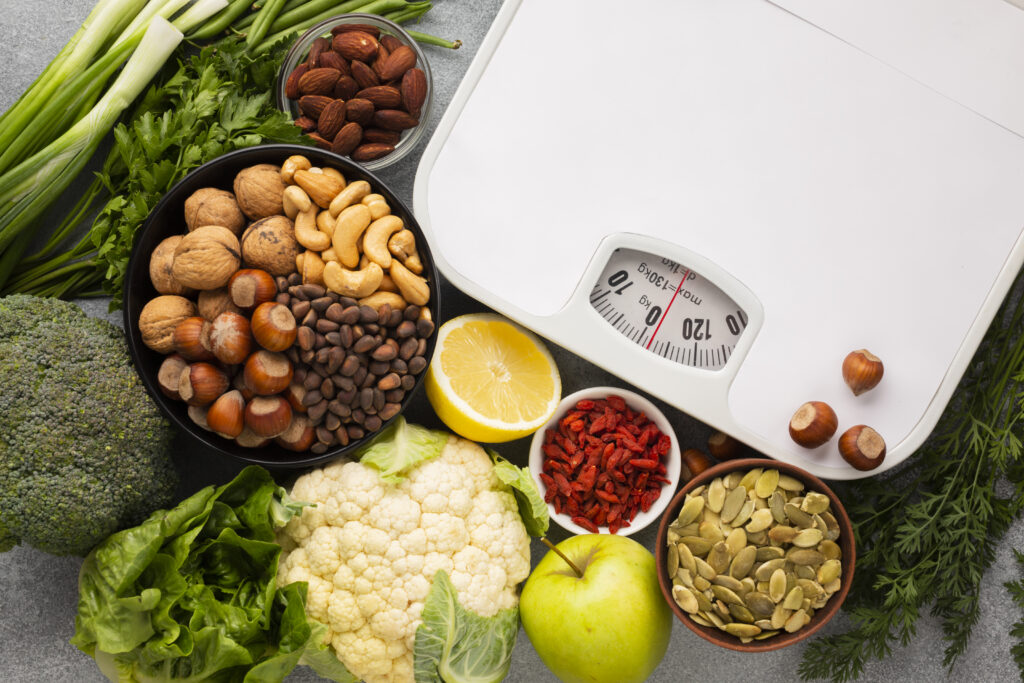
The “Slow Metabolism” Lie: What’s Actually Happening After 35 Many men hit their mid-30s and suddenly feel like their body has changed overnight. The jeans fit tighter, energy levels crash by evening, and losing even a few kilos feels frustratingly difficult. Naturally, the blame falls on one thing: a slow metabolism after 35. But here’s the truth most people never hear, your metabolism is probably not the real problem. Research shows that metabolism remains relatively stable through adulthood and doesn’t dramatically decline in your 30s. What actually changes are your lifestyle habits, muscle mass, stress levels, sleep quality, and daily movement patterns. For busy dads juggling careers, parenting, screen time, and exhaustion, these factors quietly add up. At Fitdad Club, we believe understanding the real reason behind weight gain is the first step toward sustainable health. What Is Metabolism, Really? Metabolism refers to the process by which your body converts food into energy. It powers everything from breathing and digestion to movement and recovery. Your metabolism depends on several factors: Muscle mass Physical activity Sleep quality Hormones Stress levels Nutrition habits Age and genetics The Biggest Myth About Metabolism After 35 Most men assume: “I’m gaining weight because my metabolism has slowed down.” In reality, experts now suggest that daily habits play a much bigger role than age alone. A sedentary lifestyle, reduced movement, irregular eating, emotional stress, and poor sleep can significantly affect calorie burn and fat storage. The Biggest Myth About Metabolism After 35 Most men assume: “I’m gaining weight because my metabolism has slowed down.” In reality, experts now suggest that daily habits play a much bigger role than age alone. A sedentary lifestyle, reduced movement, irregular eating, emotional stress, and poor sleep can significantly affect calorie burn and fat storage. Why Men Actually Gain Weight After 35 1. Muscle Loss From Inactivity One of the biggest reasons men experience body composition changes is gradual muscle loss. Muscle burns more calories than fat, even at rest. When workouts become inconsistent due to work pressure or parenting responsibilities, muscle mass decreases over time. That means: Fewer calories burned daily Reduced strength Increased belly fat Lower energy levels Signs of Muscle Loss Feeling weaker during workouts Fat gain around the waist Poor posture Fatigue after simple activities The Hidden Lifestyle Habits Slowing You Down 2. Lack of Daily Movement Many fathers spend: 8–10 hours sitting Working on screens Driving Watching TV late at night Even if you exercise occasionally, prolonged sitting can negatively affect metabolism and insulin sensitivity. Best Ways to Increase Daily Activity Take walking calls Use stairs instead of elevators Play outdoor games with your kids Walk after meals Stretch every hour Small movements throughout the day matter more than most people realize. 3. Poor Sleep Is Disrupting Hormones Sleep deprivation affects hormones related to hunger, cravings, and fat storage. According to health experts, men who sleep less than 6 hours regularly may experience: Increased appetite Higher stress hormones Reduced recovery More emotional eating Lower testosterone levels For many dads, late-night scrolling, work stress, and irregular schedules quietly damage sleep quality. Emotional Eating and Stress: The Real Metabolism Killers Modern fatherhood comes with constant mental pressure: Financial responsibilities Parenting stress Career demands Lack of personal time Stress increases cortisol, a hormone linked to abdominal fat gain and cravings for sugary or processed foods. Common Emotional Eating Triggers Late-night snacking Eating while working Stress-driven junk food cravings Reward-based eating after a tiring day This is why many men feel stuck in a cycle of fatigue and weight gain. What Is the Best Way to Boost Metabolism Naturally? Instead of chasing “fat-burning shortcuts,” focus on sustainable habits. Best Ways to Support a Healthy Metabolism After 35 Prioritize Strength Training Strength workouts help preserve and build muscle mass. Aim for: 3–4 sessions weekly Compound movements Progressive overload Consistency over intensity Eat More Protein Protein supports: Muscle recovery Satiety Stable energy Better body composition Good options include: Eggs Greek yogurt Lentils Chicken Fish Nuts and seeds Improve Sleep Hygiene Simple sleep improvements can dramatically affect energy and fat loss. Try: Reducing screen exposure before bed Maintaining consistent sleep timings Avoiding caffeine late evening Keeping the room cool and dark Reduce Ultra-Processed Foods Highly processed foods are often: Low in nutrients High in calories Easy to overeat Instead, focus on whole foods: Fruits Vegetables Lean proteins Whole grains Healthy fats The Benefits of Building Healthy Habits as a Dad Your health influences your entire family. When fathers prioritize fitness and nutrition: Kids become more active Family eating habits improve Stress management gets better Energy and confidence increase Children often mirror parental behavior. A healthy dad creates a healthier home environment. What Science Actually Says About Metabolism and Aging Studies suggest that metabolism remains relatively steady from early adulthood until around later life stages. The dramatic “metabolism crash” many people fear in their 30s is often exaggerated. Trusted organizations like the WHO and CDC consistently emphasize: Physical activity Balanced nutrition Sleep Stress management These habits matter far more than age alone. Conclusion: It’s Not Your Metabolism, It’s Your Lifestyle Patterns If you feel frustrated by weight gain or low energy after 35, don’t assume your body is “broken.” The real issue is often: Less movement Reduced muscle mass Poor sleep Chronic stress Emotional eating Inconsistent routines The good news? These are all fixable. At Fitdad Club, we help fathers build realistic, sustainable fitness habits that work with busy family life, not against it. Small daily changes can completely transform your energy, confidence, and long-term health. Recent Posts Help others discover this!
Visceral Fat Danger: The Hidden Health Risk Most Fathers Ignore

Visceral Fat Danger: The Hidden Health Risk Most Fathers Ignore You might look “okay” on the outside, but what’s happening inside your body tells a different story. Many men, especially busy dads, carry visceral fat, a hidden type of fat that surrounds internal organs and significantly increases health risks. At FitDad Club, we focus on identifying and fixing the real problems behind stubborn fat and declining health. Understanding visceral fat is a critical step toward long-term transformation. What Is Visceral Fat? Visceral fat is stored deep inside the abdominal cavity, wrapping around vital organs like the liver and intestines. Unlike subcutaneous fat (the fat under your skin), visceral fat is metabolically active and dangerous. Why it matters: Releases harmful inflammatory chemicals Disrupts hormone balance Increases risk of chronic diseases This is why someone can appear moderately fit but still be at risk internally. Why Fathers Are at Higher Risk Modern lifestyle habits make men particularly vulnerable to visceral fat accumulation. Common causes include: Sedentary desk jobs High stress levels Poor sleep quality Processed and high-sugar diets Lack of consistent exercise Over time, these factors create the perfect environment for fat to accumulate around the organs. Health Risks Linked to Visceral Fat Ignoring visceral fat can lead to serious long-term consequences. Major risks include: Insulin resistance and type 2 diabetes Heart disease and high blood pressure Hormonal imbalance (low testosterone) Increased inflammation Fatty liver disease This isn’t just about appearance, it’s about protecting your health and longevity. Signs You May Have High Visceral Fat You don’t need advanced tests to spot early warning signs. Watch for: Growing belly despite normal weight Waist circumference above healthy range Low energy and frequent fatigue Cravings for sugar and processed foods Difficulty losing fat even with effort If these sound familiar, it’s time to take action. How to Reduce Visceral Fat Effectively The good news? Visceral fat responds well to lifestyle changes when done correctly. 1. Focus on Whole, Balanced Nutrition Your diet plays the biggest role. Prioritize: High-protein meals Healthy fats (nuts, seeds, olive oil) Fiber-rich vegetables Avoid: Refined sugars Processed foods Excess alcohol Balanced nutrition helps regulate insulin and reduce fat storage. 2. Train Smart, Not Just Hard Exercise is essential, but strategy matters. Best approach: Strength training (3–4x/week) Daily walking (8,000–10,000 steps) Occasional high-intensity workouts This combination improves metabolism and targets visceral fat effectively. 3. Improve Sleep Quality Sleep directly impacts fat storage and hormone balance. Optimize by: Getting 7–8 hours of sleep Maintaining a consistent schedule Reducing screen time before bed Poor sleep increases cortisol, which promotes belly fat storage. 4. Manage Stress Levels Chronic stress is a major contributor to visceral fat. Simple strategies: Deep breathing exercises Short daily walks Mindfulness or journaling Lower stress leads to better hormonal balance and fat loss. 5. Reduce Constant Snacking Frequent eating keeps insulin levels elevated, preventing fat burning. Try: Structured meal timing Intermittent fasting (if suitable) This allows your body to shift into fat-burning mode. Daily Habits to Target Visceral Fat Consistency is the key to long-term results. Start your day with a protein-rich meal Stay active throughout the day Hydrate regularly Avoid late-night eating Prioritize recovery and sleep Small habits, repeated daily, lead to significant change. Conclusion: Don’t Ignore What You Can’t See Visceral fat is silent, but its impact is powerful. The sooner you address it, the better your chances of improving your health, energy, and overall quality of life. At FitDad Club, we believe in tackling the root causes, not just the symptoms. By making simple, consistent changes, you can reduce visceral fat and take control of your health. Start today, because real fitness begins from within. Recent Posts Help others discover this!
Hormone Reset Blueprint: Fix Sleep, Stress & Nutrition in 30 Days

Hormone Reset Blueprint: Fix Sleep, Stress & Nutrition in 30 Days If you’re constantly tired, gaining stubborn fat, or struggling with low motivation, your hormones, not your effort, may be the problem. At FitDad Club, we focus on sustainable, science-backed solutions. This 30-day hormone reset blueprint is designed to help you optimize sleep, reduce stress, and improve nutrition, three pillars that directly impact testosterone, insulin, and overall metabolic health. Why Hormonal Balance Matters for Men Hormones regulate everything from fat loss and muscle growth to energy and mood. When they’re out of sync, results slow down—no matter how hard you try. Key hormones affected: Testosterone (strength, energy, confidence) Cortisol (stress and fat storage) Insulin (fat storage and metabolism) Balancing these hormones creates the foundation for consistent fat loss and high performance. The 30-Day Hormone Reset Framework This blueprint focuses on three core areas: Sleep Optimization Stress Management Smart Nutrition Let’s break it down. Phase 1: Fix Your Sleep (Days 1–10) Sleep is the most powerful hormone regulator. Why It Matters: Poor sleep lowers testosterone Increases cortisol levels Disrupts insulin sensitivity Action Steps: Aim for 7–8 hours of quality sleep Maintain a consistent sleep schedule Avoid screens 60 minutes before bed Keep your room dark and cool Bonus Tip: Morning sunlight exposure helps regulate your circadian rhythm and improves sleep quality. Phase 2: Reduce Stress (Days 11–20) Chronic stress is a silent hormone disruptor. Impact of High Stress: Elevated cortisol → increased belly fat Reduced testosterone levels Poor recovery and energy Daily Stress-Reset Habits: 5–10 minutes of deep breathing Short walks or light activity Journaling or goal planning Limiting unnecessary screen time Remember: You don’t need zero stress, you need better stress management. Phase 3: Optimize Nutrition (Days 21–30) Food directly influences your hormonal health. Focus on: High-protein meals (supports muscle & metabolism) Healthy fats (essential for hormone production) Fiber-rich vegetables (improves digestion and insulin sensitivity) Avoid: Processed foods Excess sugar Frequent snacking Smart Eating Strategy: Start your day with a protein-rich meal Time carbs around workouts Stay hydrated throughout the day Daily Hormone Reset Checklist Keep it simple and consistent: Sleep 7–8 hours Get morning sunlight Eat protein in every meal Move your body daily Practice stress-control techniques Avoid late-night screen exposure Consistency over 30 days can lead to noticeable improvements in energy, fat loss, and mood. What Results Can You Expect? By the end of 30 days, most men experience: Improved energy levels Better sleep quality Reduced belly fat Enhanced focus and productivity Stronger workout performance This isn’t a quick fix, it’s a lifestyle upgrade. Daily Hormone Health Checklist Keep it simple and actionable: 8–10 hours of sleep At least 60 minutes of physical activity Balanced, nutrient-rich meals Limited screen time Daily stress-relief practice Conclusion: Reset Your Hormones, Reset Your Life You don’t need extreme diets or complicated routines to feel better and perform at your best. By focusing on sleep, stress, and nutrition, you can naturally restore hormonal balance and unlock consistent results. At FitDad Club, we believe real transformation comes from simple, sustainable habits. This 30-day blueprint is your starting point to better energy, improved fat loss, and long-term health. Start today, because the best version of you is built through daily consistency. Recent Posts Help others discover this!
The Insulin Resistance Trap: Why Many Dads Struggle to Lose Fat
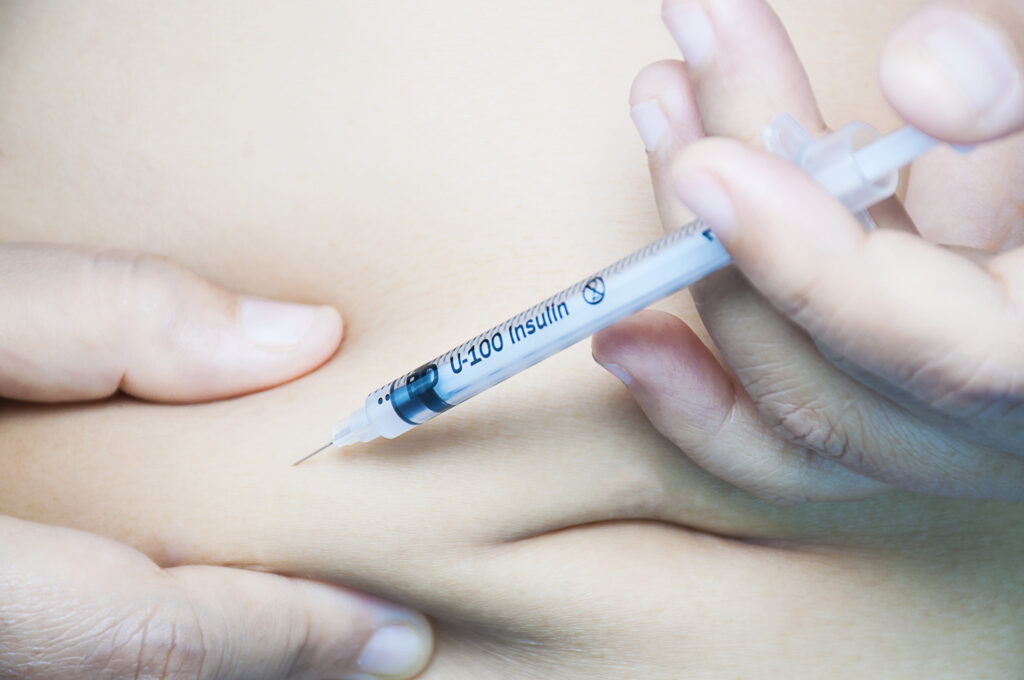
The Insulin Resistance Trap: Why Many Dads Struggle to Lose Fat If you’re doing everything “right”, eating less, working out more, but still struggling to lose stubborn belly fat, you may be caught in the insulin resistance trap. At FitDad Club, we often see this hidden metabolic issue holding men back from achieving sustainable fat loss. The truth is, fat loss isn’t just about calories, it’s about how your body processes and stores energy. What Is Insulin Resistance? Insulin is a hormone responsible for regulating blood sugar levels. When you eat carbohydrates, insulin helps move glucose into your cells for energy. However, with insulin resistance: Your cells stop responding effectively to insulin Blood sugar levels remain elevated The body produces more insulin to compensate Over time, this leads to increased fat storage, especially around the abdomen. Why Dads Are More Prone to Insulin Resistance Modern lifestyle habits make men, especially busy dads, highly susceptible. Common contributing factors: Sedentary work routines (desk jobs) High intake of processed and refined foods Chronic stress and poor sleep Lack of consistent physical activity These factors create the perfect environment for metabolic dysfunction. Signs You May Be Insulin Resistant Many men overlook the early warning signs. Watch for: Stubborn belly fat that won’t go away Energy crashes after meals Frequent sugar cravings Difficulty losing weight despite effort Brain fog and low motivation If these sound familiar, your metabolism may not be working efficiently. How Insulin Resistance Blocks Fat Loss When insulin levels remain high, your body stays in fat-storage mode. Here’s what happens: Fat burning is suppressed Excess calories are stored as fat Hunger and cravings increase Energy levels fluctuate This creates a frustrating cycle where more effort leads to fewer results. How to Reverse Insulin Resistance Naturally The good news? Insulin resistance is reversible with the right strategies. 1. Prioritize Protein and Whole Foods A balanced diet helps stabilize blood sugar levels. Focus on: Lean proteins (eggs, chicken, fish) Healthy fats (nuts, seeds, olive oil) Fiber-rich vegetables Avoid: Refined sugars Processed foods Excessive carb-heavy meals 2. Move More Throughout the Day Physical activity improves insulin sensitivity. Best practices: Strength training 3–4 times per week Walking 8,000–10,000 steps daily Breaking long sitting periods Even small movements can make a big difference. 3. Use Intermittent Fasting Strategically Fasting allows insulin levels to drop, enabling fat burning. Start with: 12–14 hour fasting window Gradually increase based on comfort This helps your body switch from storing fat to burning it. 4. Improve Sleep and Stress Management Hormones are deeply connected. Optimize by: Getting 7–8 hours of quality sleep Practicing stress-reduction techniques Limiting late-night screen exposure High cortisol levels can worsen insulin resistance. 5. Time Your Carbs Wisely You don’t need to eliminate carbs, just use them strategically. Smart approach: Consume carbs around workouts Pair carbs with protein and fiber Avoid heavy carb meals late at night Daily Habits to Break the Insulin Resistance Cycle Consistency is key. Focus on simple, repeatable actions: Start your day with a high-protein meal Stay active throughout the day Avoid constant snacking Stay hydrated Maintain a consistent sleep schedule Small habits lead to powerful metabolic improvements. Conclusion: Fix the Root Cause, Not Just the Symptoms If you’re stuck in your fat loss journey, insulin resistance could be the missing link. Instead of pushing harder with extreme diets or workouts, focus on improving how your body responds to insulin. At FitDad Club, we believe in sustainable, science-backed strategies that fit into your lifestyle. When you fix your metabolism, fat loss becomes easier, energy improves, and your overall health transforms. Start with one habit today, your future body will thank you. Recent Posts Help others discover this!
Testosterone-Friendly Morning Habits Backed by Science (2026 Edition)

Testosterone-Friendly Morning Habits Backed by Science (2026 Edition) For modern men balancing demanding careers, family responsibilities, and fitness goals, testosterone optimization is no longer optional, it’s essential. Your morning routine plays a powerful role in regulating hormones, energy, and long-term performance. At FitDad Club, we focus on practical, science-backed habits that naturally support testosterone levels, without extreme routines or unrealistic protocols. Why Morning Habits Matter for Testosterone Testosterone levels naturally peak in the morning. However, poor sleep, stress, and lifestyle habits can blunt this hormonal advantage. A structured morning routine helps: Regulate cortisol (stress hormone) Improve insulin sensitivity Boost natural testosterone production Enhance focus, energy, and mood The first 60–90 minutes of your day can either optimize or suppress your hormones. 1. Get Morning Sunlight Within 15 Minutes of Waking Exposure to natural light helps regulate your circadian rhythm and supports hormonal balance. Why it works: Boosts vitamin D production (linked to testosterone) Aligns your sleep-wake cycle Improves mood and alertness Action step: Spend 10–15 minutes outdoors (balcony, terrace, or walk) Avoid sunglasses for direct light exposure 2. Hydrate Before Caffeine After 7–8 hours of sleep, your body is dehydrate, impacting energy and metabolic function. Start your day with: 500–700 ml of water Add a pinch of salt or lemon for electrolyte balance Why this matters: Supports cellular function Improves metabolism Reduces unnecessary cortisol spikes 3. Train Fasted (or Light) for Hormonal Advantage Morning workouts, especially strength training, can significantly boost testosterone. Best options: Strength training (30–45 minutes) Short HIIT sessions Brisk walking or mobility work Pro tip:Training in a fasted or light state may enhance fat oxidation and improve metabolic flexibility. 4. Prioritize a High-Protein Breakfast Skipping protein in the morning can lead to cravings and energy crashes later. Ideal breakfast includes: Eggs, Greek yogurt, or protein smoothies Healthy fats (nuts, seeds) Fiber-rich carbs (optional) Benefits: Stabilizes blood sugar Supports muscle retention Reduces overeating 5. Limit Early Dopamine Overload Scrolling social media immediately after waking disrupts focus and increases mental fatigue. Instead: Avoid screens for the first 30 minutes Focus on movement, hydration, and planning Why it matters: Protects dopamine sensitivity Improves productivity Reduces stress-driven hormonal imbalance 6. Practice Short Stress-Control Techniques Chronic stress lowers testosterone and increases fat storage. Simple practices: 5 minutes of deep breathing Journaling or goal setting Mindful stretching Even small habits can regulate cortisol and create a calmer, more focused start. 7. Cold Exposure (Optional but Powerful) Cold showers are gaining popularity in 2026 for a reason. Potential benefits: Improves circulation Boosts alertness May support hormonal resilience Start small: 30–60 seconds of cold water at the end of your shower The Ideal Testosterone-Optimizing Morning Routine Here’s a simple structure you can follow: Wake up → Hydrate Get sunlight exposure Move your body (workout/walk) Cold shower (optional) High-protein breakfast Start work without distractions Consistency is key, this routine compounds results over time. Conclusion: Win Your Morning, Win Your Hormones Optimizing testosterone doesn’t require complicated biohacks. It starts with simple, repeatable morning habits that align your body with its natural rhythm. At FitDad Club, we believe sustainable fitness is built through routines that fit your real life. When you take control of your mornings, you take control of your energy, focus, and long-term health. Start with one habit tomorrow, and build momentum every day. Recent Posts Help others discover this!
Metabolic Flexibility for Men: Train Your Body to Burn Fat Efficiently
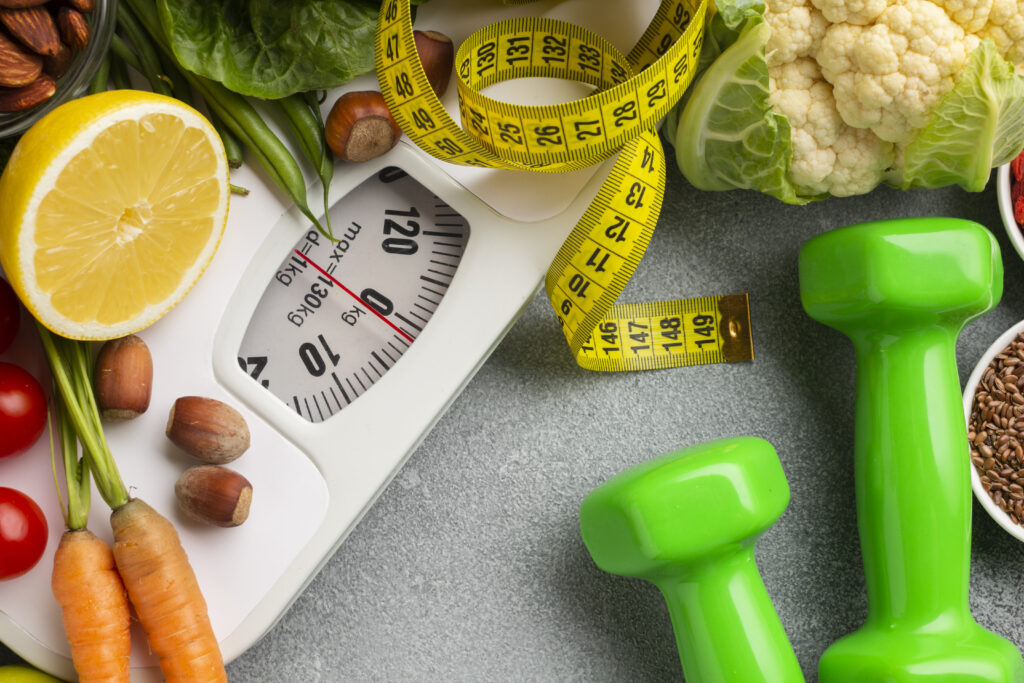
Metabolic Flexibility for Men: Train Your Body to Burn Fat Efficiently In today’s fast-paced world, many men struggle with stubborn fat, low energy, and inconsistent performance. The missing piece? Metabolic flexibility your body’s ability to switch between burning carbohydrates and fat efficiently. At FitDad Club, we believe this is the foundation of sustainable fat loss, energy optimization, and long-term health. What Is Metabolic Flexibility? Metabolic flexibility refers to how efficiently your body adapts to different fuel sources. When you eat carbs → your body burns glucose When you fast or exercise → your body burns fat A metabolically flexible body can switch seamlessly, while an inflexible one relies heavily on sugar, leading to fat storage, energy crashes, and poor performance. Why Metabolic Flexibility Matters for Men For men, especially those balancing work, family, and fitness, metabolic flexibility is critical for: Faster fat loss without extreme dieting Stable energy levels throughout the day Improved testosterone balance Better workout performance and recovery If you feel tired after meals or struggle to lose belly fat, your metabolism may be “locked” in sugar-burning mode. Signs You Lack Metabolic Flexibility Here are common indicators: Frequent sugar cravings Energy crashes after meals Difficulty fasting even for short periods Stubborn belly fat Dependence on frequent snacking Recognizing these signs is the first step toward optimizing your metabolism. How to Train Your Body to Burn Fat Efficiently 1. Incorporate Strategic Fasting Intermittent fasting trains your body to tap into fat stores. Start with a 12–14 hour fasting window Gradually progress to 16:8 fasting Stay hydrated during fasting periods This improves insulin sensitivity and enhances fat-burning capacity. 2. Prioritize Protein-First Nutrition Protein supports muscle retention and stabilizes blood sugar. Eat protein in every meal Aim for lean sources like eggs, chicken, fish, and legumes Reduce processed carbs and sugars This helps your body rely less on glucose spikes. 3. Train Smart: Strength + Low-Intensity Cardio Exercise plays a major role in metabolic flexibility. Focus on: Strength training (3–4x/week) Low-intensity steady-state (LISS) cardio like walking Occasional high-intensity workouts This combination improves your body’s ability to switch fuel sources efficiently. 4. Improve Insulin Sensitivity Insulin resistance is one of the biggest blockers of fat burning. You can improve it by: Reducing refined carbs Getting 7–8 hours of quality sleep Managing stress levels Staying physically active throughout the day 5. Use the “Carb Timing” Strategy Instead of eliminating carbs, use them wisely. Eat carbs around workouts Avoid heavy carb meals late at night Pair carbs with protein and fiber This supports performance while minimizing fat storage. Daily Habits That Boost Metabolic Flexibility Small daily actions create long-term results: Walk 8,000–10,000 steps daily Start your day with protein-rich meals Avoid constant snacking Stay hydrated Get sunlight exposure in the morning Consistency beats intensity when it comes to metabolic health. Conclusion: Build a Smarter, More Efficient Body Metabolic flexibility isn’t about extreme diets or cutting carbs completely, it’s about training your body to adapt. When your metabolism works with you, fat loss becomes easier, energy becomes stable, and performance improves naturally. At FitDad Club, we focus on practical, science-backed strategies that fit into your real life. Start small, stay consistent, and let your body relearn how to burn fat efficiently. Your transformation doesn’t need more restriction, it needs better metabolic control. Recent Posts Help others discover this!