Ultra-Processed Foods: The Silent Killer in Modern Family Diets
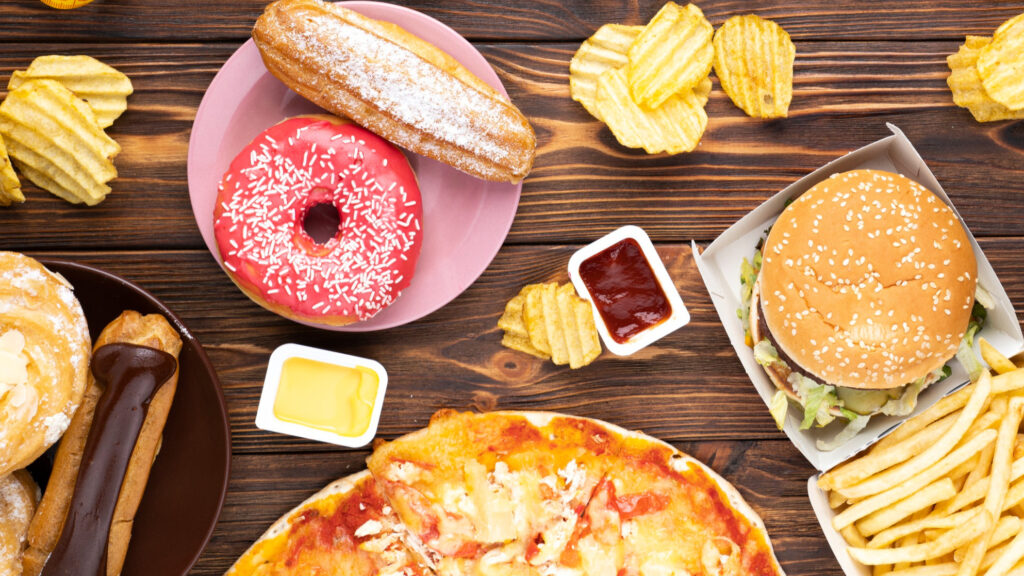
You scan the breakfast table, a bowl of flavoured cereal, a glass of “fruit” drink, a packaged granola bar sitting next to the lunchbox. Looks normal, right? Maybe even healthy? Here’s the uncomfortable truth: most of what passes for everyday family food today is quietly classified as ultra-processed, and the science calling it dangerous has never been louder.
If you’re a dad between 25 and 45 who cares about your health and your family’s future, this is the conversation you can’t afford to skip.
What Exactly Are Ultra-Processed Foods?
Ultra-processed foods (UPFs) aren’t just “junk food.” The term comes from the NOVA food classification system, a globally recognised scientific framework that categorises foods based on the extent and purpose of their processing, not just their nutrient content.
UPFs are industrial formulations made with substances extracted from whole foods, or synthesised entirely in labs, combined with additives you’d never find in a home kitchen: emulsifiers, artificial colours, flavour enhancers, and preservatives.
Common examples include:
- Packaged namkeen, chips, and instant noodles
- Breakfast cereals with added sugar
- Flavoured yoghurts and “health” drinks
- Ready-to-eat frozen meals
- Commercial breads, biscuits, and packaged cookies
- Soft drinks and sugar-sweetened beverages
The uncomfortable reality? India’s Economic Survey 2025–26 flagged ultra-processed foods as a key driver of the country’s obesity and chronic disease crisis, noting that UPFs are rapidly displacing traditional home-cooked diets across all income groups.
The Science Is Clear: UPFs Are Damaging Your Health
This isn’t fearmongering, the data is overwhelming.
A landmark 2024 umbrella review of 45 meta-analyses covering nearly 10 million people found that diets high in ultra-processed foods are linked to 32 distinct health conditions, including obesity, Type 2 diabetes, cardiovascular disease, colorectal cancer, anxiety, and depression, according to researchers at Johns Hopkins Bloomberg School of Public Health.
The risks only get more specific when you look at the numbers:
- 50% higher risk of cardiovascular disease death
- 55% higher risk of obesity
- 48% higher risk of anxiety disorders
- 40% higher risk of Type 2 diabetes
- 21% higher risk of early death from any cause
Perhaps most striking for men: a 2022 BMJ study found that men who ate the most ultra-processed foods had a 29% higher risk of developing colorectal cancer.
Every extra 100 grams of UPFs consumed daily further increases the risk of hypertension, cancer, digestive disease, and mortality, according to research presented at the American College of Cardiology’s Asia 2025 Scientific Meeting.
Why Dads Are Particularly Vulnerable
The Busy Dad Trap
As a working father, convenience is survival. Long commutes, back-to-back meetings, school runs, and late nights make grabbing a packet off the shelf feel like the only option. Food companies know this. They’ve spent billions making ultra-processed products faster, cheaper, and engineered to be impossible to put down.
The problem is what’s happening inside your body while you’re just trying to get through the day.
Your Body Pays the Price Men Ignore
Men in the 30-45 age group often dismiss subtle warning signs, fatigue, brain fog, expanding waistlines, poor sleep, mood swings, as “just getting older.” In many cases, a UPF-heavy diet is a direct contributor. These foods create chronic, low-grade inflammation, spike blood sugar erratically, disrupt gut microbiome health, and compromise hormonal balance, including testosterone production.
Your Kids Are Watching - And Eating
Here’s the part that should hit home hardest.
Children develop their food preferences and eating patterns before the age of 10. What they eat now shapes their health for decades. A UNICEF 2025 report revealed that one in five children and adolescents globally is now living with overweight or obesity, and unhealthy food environments at home and school are a primary cause.
In India, the situation is alarming. <In 2020, the average Indian household already derived more calories from processed foods than from fruits>, according to a Lancet study. The market for ultra-processed foods in India exploded from USD 900 million in 2006 to USD 37.9 billion by 2019, growing at over 33% annually.
Your children are being targeted by aggressive food marketing designed by experts in behavioural science. You, as their father, are their best counter-force.
Practical Steps Every Dad Can Take Starting This Week
You don’t need a nutritionist on speed dial or a complete pantry overhaul tonight. Start here.
1. Learn to Read Labels, Not Just Front Packaging If an ingredient list has more than five items, or contains words you can’t pronounce, treat it as a red flag. Look for added sugars disguised as maltodextrin, dextrose, corn syrup, or fructose.
2. Swap One UPF Per Day Replace one processed snack with a whole-food alternative. Swap packaged biscuits for a handful of roasted nuts. Swap a flavoured drink for nimbu paani or coconut water. Small swaps compound over weeks.
3. Cook One Meal Together as a Family Weekly Involvement builds habits. Children who help prepare food are significantly more likely to eat it, and more likely to develop a healthy relationship with real food long-term.
4. Stock Your Kitchen Strategically Convenience is the enemy of good nutrition when only UPFs are convenient. Keep boiled eggs, cut fruit, nuts, and curd visible and accessible. Make the healthy choice the easy choice.
5. Challenge “Health Halo” Products Protein bars, “multigrain” crackers, flavoured oats, and fortified juices often qualify as ultra-processed despite their health claims. If it comes in a flashy packet with a long ingredient list, question it.
The Fitdad Mindset: Protect Your Family's Future
Being a great dad in 2026 isn’t just about providing, it’s about modelling. When you choose real food, your kids learn to choose real food. When you read labels, they ask questions. When you cook, they watch and remember.
Ultra-processed foods didn’t become the norm because they’re better for us. They became the norm because they’re profitable. Every time you make a conscious food choice for your family, you’re reclaiming your household’s health from a system that isn’t designed with your wellbeing in mind.
The science is settled. The action is yours.
Conclusion: Don't Let the Packaging Fool You
Ultra-processed foods are one of the most significant, underappreciated threats to modern family health, and especially to men who believe they’re “eating fine” because they’re not living on takeaways. The evidence linking UPFs to chronic disease, early death, and poor mental health is now among the strongest in nutritional science.
The good news? You don’t need perfection, you need progress. Reduce your family’s reliance on ultra-processed foods one week at a time, and the cumulative impact on your health, energy, and longevity will be transformative.
At Fitdad Club, we believe that real nutrition starts with real knowledge. Explore our family nutrition programs, meal planning guides, and dad-specific fitness plans designed for men who want to be at their best, for themselves and for the people who need them most.
Frequently Asked Questions
1: What are ultra-processed foods? Ultra-processed foods (UPFs) are industrially manufactured food products made using substances extracted from whole foods, such as refined oils, starches, and added sugars, combined with synthetic additives like flavour enhancers, emulsifiers, and preservatives. Common examples include packaged chips, instant noodles, flavoured drinks, breakfast cereals, and commercial breads.
2: How do ultra-processed foods affect men’s health specifically? In men, high UPF consumption is associated with elevated risk of colorectal cancer, cardiovascular disease, Type 2 diabetes, and obesity. These foods also contribute to chronic inflammation and hormonal disruption, including impacts on testosterone, and are linked to poor mental health outcomes including anxiety and depression.
3: Are ultra-processed foods dangerous for children? Yes. Children exposed to high UPF diets face elevated risks of weight gain, metabolic disruption, poor gut health, and the early development of unhealthy eating patterns that can persist for life. UNICEF’s 2025 report directly links unhealthy food environments to the global surge in childhood overweight and obesity.
4: How can a busy dad reduce ultra-processed food consumption? Start small: swap one UPF snack daily for a whole-food alternative, learn to read ingredient lists, keep healthy options visible and accessible at home, and try cooking one family meal together each week. Incremental changes compound into significant long-term health improvements.
5: What is the NOVA food classification system? NOVA is a globally recognised scientific framework that classifies foods into four groups based on the degree and purpose of processing, from unprocessed whole foods (Group 1) to ultra-processed industrial formulations (Group 4). It is used by researchers worldwide, including those cited in major health publications like The Lancet and the BMJ.