Why Belly Fat After 35 Is Not Just About Calories
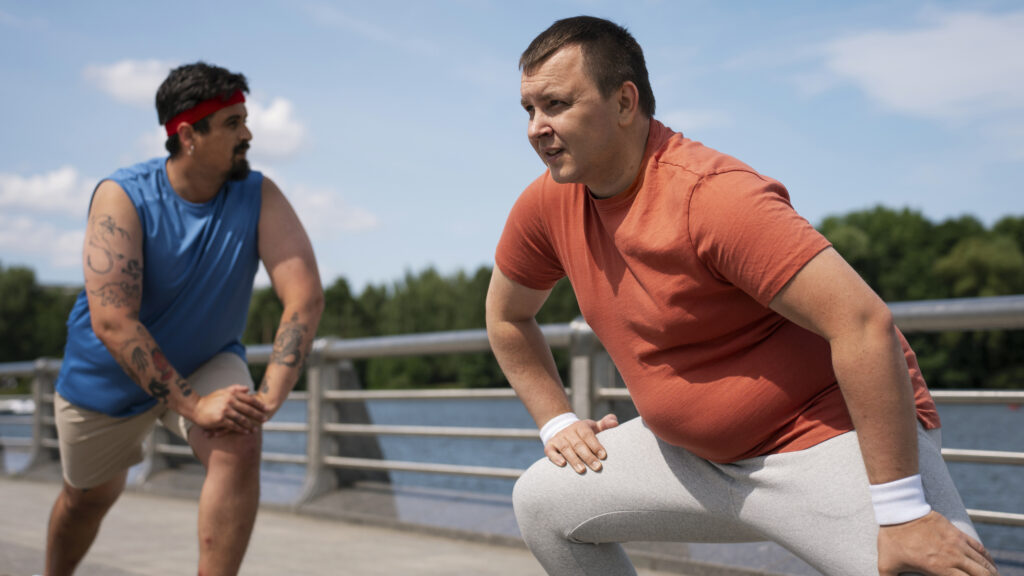
Why Belly Fat After 35 Is Not Just About Calories Introduction: Belly fat after 35 is influenced by hormones, stress, and metabolism not just calories. Many dads eat less and train harder but still struggle with stubborn abdominal fat. The real reason often goes deeper than calorie counting. Why Belly Fat After 35 Becomes More Common After 35, several physiological shifts begin: Testosterone levels gradually decline Insulin sensitivity decreases Recovery slows Stress tolerance changes These shifts create a hormonal environment that favors abdominal fat storage. Belly fat after 35 is often hormonal before it is behavioral. The Testosterone Connection Testosterone plays a key role in: Muscle maintenance Fat distribution Metabolic rate Lower testosterone levels are associated with increased abdominal fat storage. When muscle mass declines, metabolism slows even if calorie intake remains similar. Cortisol and Stress Chronic stress increases cortisol levels. Elevated cortisol: Promotes fat storage around the midsection Increases cravings Disrupts sleep Reduces insulin sensitivity For busy dads balancing work and family, stress may be the hidden driver of belly fat after 35. Sleep and Fat Storage Sleep disruption affects: Hunger hormones (ghrelin and leptin) Blood sugar regulation Testosterone production Less than 6–7 hours of quality sleep can increase fat storage signals. Many dads focus on diet while ignoring sleep. The Insulin Resistance Factor As men age, insulin sensitivity naturally declines. When insulin resistance increases: Blood sugar remains elevated longer Fat storage becomes easier Fat burning becomes harder High refined carbohydrate intake combined with low activity accelerates this process. Why Calories Alone Don’t Tell the Full Story Calorie balance still matters but it’s not the whole picture. Two men can eat the same number of calories and experience different fat storage patterns due to: Hormonal differences Stress levels Muscle mass Sleep quality Belly fat after 35 is a systems issue, not just a math problem. What Actually Works for Reducing Belly Fat After 35 1. Strength Training Maintaining muscle mass increases resting metabolic rate and improves insulin sensitivity. Aim for: 2–4 sessions per week Compound lifts Progressive overload 2. Moderate Cardio Zone 2 cardio supports fat oxidation without increasing stress hormones excessively. Walking, cycling, or light jogging are effective options. 3. Stress Regulation Lowering chronic stress reduces cortisol-driven fat storage. Effective strategies: Deep breathing Time outdoors Clear work boundaries Recovery days 4. Prioritize Sleep 7–8 hours of consistent sleep improves hormonal balance and fat metabolism. Sleep is a performance tool not a luxury. 5. Focus on Protein and Fiber Higher protein intake supports muscle retention and satiety. Fiber improves blood sugar control and digestive health. Long-Term Mindset Shift Belly fat after 35 requires patience and system-level adjustments. Instead of extreme dieting, focus on: Hormonal balance Sustainable habits Consistent strength training Stress management Quick fixes rarely address root causes. Conclusion: Belly fat after 35 is not just about calories. Hormones, stress, sleep, and muscle mass all influence fat storage patterns. At FitDad Club, we believe strong fathers build smart systems not extreme plans. When you optimize recovery, strength, and stress, your body responds. Frequently Asked Questions (FAQ) 1. Why is belly fat harder to lose after 35? Hormonal changes, reduced testosterone, stress, and insulin resistance contribute to increased abdominal fat storage. 2. Can strength training reduce belly fat? Yes. Strength training improves metabolism and hormone balance. 3. Does stress increase belly fat? Yes. Chronic stress raises cortisol, which promotes abdominal fat storage. 4. How long does it take to reduce belly fat after 35? With consistent training, stress management, and proper nutrition, noticeable improvements may appear within 8–12 weeks. Recent Posts Help others discover this!
The Father Effect: How a Dad’s Health Shapes His Child’s Habits

The Father Effect: How a Dad’s Health Shapes His Child’s Habits Introduction: Father influence on child health begins with daily habits that children observe and imitate. Kids don’t just listen to what dads say they watch what dads do. A father’s relationship with fitness, food, stress, and self-care directly shapes how a child understands health. Why the Father Effect Is Powerful Children model behavior through observation. Research consistently shows that parental lifestyle strongly predicts a child’s long-term health habits. Father influence on child health affects: Physical activity levels Food preferences Screen time habits Stress responses Body image perceptions What feels routine to a dad becomes normal for a child. Movement Is Contagious If a father prioritizes movement, children often grow up seeing exercise as part of everyday life. Active fathers tend to have children who: Play outdoors more Participate in sports Feel confident in their bodies Develop strong motor skills On the other hand, sedentary patterns can also transfer easily. Children adopt what they see consistently. Nutrition Modeling Matters Kids learn eating behaviors at home. When dads: Choose balanced meals Avoid constant processed snacks Eat vegetables without complaint Practice mindful eating children develop similar attitudes toward food. Father influence on child health is strongest during everyday moments not lectures. Stress and Emotional Regulation A dad’s response to stress shapes how a child learns to manage emotions. If fathers handle pressure through: Healthy coping mechanisms Movement Open communication Calm problem-solving children internalize those strategies. Chronic stress reactions, however, may also be mirrored. Body Image and Self-Talk How a father speaks about his own body influences how a child views theirs. Negative self-talk like: “I’m out of shape.” “I hate how I look.” can affect a child’s confidence. Positive modeling builds resilience and self-acceptance. The Long-Term Impact Father influence on child health doesn’t just affect childhood it shapes adulthood. Children raised in health-conscious environments are more likely to: Maintain active lifestyles Avoid chronic disease risk Develop strong self-discipline Value wellness long term Small daily habits compound over years. How Dads Can Lead Without Pressure Influence does not require perfection. Practical steps include: Family walks after dinner Playing sports together Cooking healthy meals as a team Limiting excessive screen time Prioritizing sleep routines Consistency matters more than intensity. Breaking Negative Cycles Some fathers may not have grown up with positive health modeling. The powerful truth is this:Every dad can reset the pattern. Father influence on child health begins today not in the past. Conclusion: The father effect is real. Father influence on child health shapes daily habits, emotional resilience, and long-term wellness. At FitDad Club, we believe strong fathers lead by example. When dads prioritize their own health, they build a legacy that extends far beyond themselves. Your habits are being watched and remembered. Frequently Asked Questions (FAQ) 1. What causes inflammation in men over 30? Poor diet, chronic stress, lack of sleep, and overtraining are common contributors. 2. Can exercise reduce inflammation? Yes, moderate consistent exercise lowers inflammatory markers. 3. Does inflammation affect fat loss? Yes. Chronic inflammation can slow metabolism and increase abdominal fat storage. 4. How long does it take to reduce inflammation? Many men notice improvements within 4–6 weeks of consistent lifestyle adjustments. Recent Posts Help others discover this!
Inflammation Reset for Men Over 30: Move, Eat, Recover Better

Inflammation Reset for Men Over 30: Move, Eat, Recover Better Introduction: Inflammation in men over 30 can quietly impact energy, fat loss, and long-term health. Many fathers notice slower recovery, stubborn belly fat, and constant fatigue without realizing chronic low-grade inflammation may be driving it. The good news? It can be reset. What Is Inflammation in Men Over 30? Inflammation is the body’s natural response to stress, injury, or infection. In short bursts, it helps healing. But chronic inflammation often caused by lifestyle stressors creates long-term problems. After 30, men often experience: Slower metabolism Reduced testosterone Increased abdominal fat Joint stiffness Lower recovery capacity Chronic inflammation amplifies these changes. Signs You May Need an Inflammation Reset Inflammation in men over 30 often appears as: Persistent fatigue Joint aches Brain fog Difficulty losing fat Poor sleep quality These symptoms are often blamed on aging, but lifestyle plays a major role. Move Smarter, Not Harder Overtraining can increase inflammation. Instead, focus on: 1. Zone 2 Cardio Moderate-intensity walking or cycling improves circulation without spiking stress hormones. 2. Strength Training Two to three controlled sessions per week support muscle retention and insulin sensitivity. 3. Mobility Work Daily stretching reduces stiffness and improves joint health. Consistency beats intensity. Eat to Lower Inflammation Nutrition plays a major role in inflammation control. Focus on: Lean proteins (chicken, fish, eggs) Omega-3 rich foods (salmon, walnuts) Leafy greens Colorful vegetables Berries Olive oil Reduce: Processed sugars Excess alcohol Refined carbohydrates Highly processed foods Balanced meals stabilize blood sugar and reduce inflammatory stress. The Recovery Factor Many men train hard but ignore recovery. Recovery habits that lower inflammation include: 7–8 hours of sleep Stress management practices Light active recovery days Hydration Limiting late-night screen exposure Sleep is especially powerful in regulating inflammatory markers. Stress Is the Hidden Driver Chronic stress increases cortisol, which contributes to inflammation and fat storage. Practical stress-reduction tools: Short daily walks outdoors Deep breathing exercises Setting work boundaries Scheduled downtime Lower stress supports better hormonal balance. Long-Term Benefits of Resetting Inflammation When inflammation decreases, men often notice: Improved energy Better fat loss Faster workout recovery Sharper mental clarity Reduced joint pain Small consistent habits compound over time. Conclusion: Inflammation in men over 30 is not inevitable it is manageable. By moving smarter, eating intentionally, and prioritizing recovery, dads can reduce inflammation naturally and improve performance. At FitDad Club, we believe strong fathers focus on long-term resilience, not short-term intensity. Reset your habits, and your body will respond. Frequently Asked Questions (FAQ) 1. What causes inflammation in men over 30? Poor diet, chronic stress, lack of sleep, and overtraining are common contributors. 2. Can exercise reduce inflammation? Yes, moderate consistent exercise lowers inflammatory markers. 3. Does inflammation affect fat loss? Yes. Chronic inflammation can slow metabolism and increase abdominal fat storage. 4. How long does it take to reduce inflammation? Many men notice improvements within 4–6 weeks of consistent lifestyle adjustments. Recent Posts Help others discover this!
Active Fatherhood: Turning Daily Parenting Into Functional Fitness

Active Fatherhood: Turning Daily Parenting Into Functional Fitness Introduction: Active fatherhood transforms everyday parenting into a powerful form of functional fitness. You don’t always need more gym time. Sometimes, the best workouts are already built into your daily routine as a dad. Parenting demands strength, mobility, endurance, and patience all core components of real fitness. What Is Active Fatherhood? Active fatherhood means being physically and emotionally engaged with your children. But it also means using daily parenting tasks as opportunities to move intentionally. Instead of separating “family time” and “workout time,” active fathers blend both. It’s not about replacing structured workouts.It’s about maximizing movement within real life. Parenting Is Already Functional Fitness Functional fitness focuses on movements that mirror real-life tasks: Lifting Carrying Squatting Rotating Pushing Pulling Now think about parenting. Carrying a toddler.Squatting to tie shoes.Lifting a stroller.Chasing kids at the park.Cleaning toys off the floor. You’re already performing functional movements daily. The difference is awareness. Why Active Fatherhood Builds Real-World Strength Gym strength is valuable. But strength that transfers to daily life matters more. Active fatherhood improves: Core stability Grip strength Hip mobility Shoulder endurance Cardiovascular fitness When dads move frequently throughout the day, their bodies stay adaptable and resilient. Turning Daily Tasks Into Intentional Movement The key is intention. Instead of rushing through tasks, focus on: Squatting properly instead of bending at the waist Engaging your core when lifting your child Using controlled movements when carrying groceries Walking briskly during park time Small adjustments increase muscle engagement and reduce injury risk. Playtime Is Underrated Cardio Chasing kids, playing tag, or joining sports games increases heart rate naturally. Active fatherhood often includes: Sprint intervals at the playground Bodyweight movements during backyard play Agility drills disguised as games This type of cardio is sustainable because it’s enjoyable. Injury Prevention Through Movement Many dads develop back pain due to poor lifting habits. Functional parenting movements strengthen: Posterior chain muscles Core stabilizers Joint alignment When performed mindfully, daily tasks become injury-prevention training. Long-Term Impact Dads who practice active fatherhood: Model healthy habits Build strong family bonds Maintain mobility as they age Stay physically capable longer Children notice when fathers move confidently and engage physically. You are shaping their relationship with fitness. Conclusion: Active fatherhood turns daily parenting into functional fitness. When dads move intentionally, lift correctly, and engage during play, they build real strength without adding extra hours to their schedule. At FitDad Club, we believe fitness should support family life not compete with it. Strong fathers lead from the front, one movement at a time. Frequently Asked Questions (FAQ) 1. What is active fatherhood? Active fatherhood involves being physically engaged with children while using daily tasks as functional movement opportunities. 2. Can parenting replace workouts? Parenting provides functional movement but should ideally complement structured strength and mobility training. 3. How can dads prevent back pain while parenting? By squatting properly, engaging the core, and lifting with controlled technique. 4. Does active fatherhood improve fitness? Yes. Regular movement throughout the day improves endurance, strength, and overall health. Recent Posts Help others discover this!
1. Why is mobility important for dads?

Mobility First: Why Flexible Dads Stay Active Longer Introduction: Mobility for dads is the foundation of staying strong, injury-free, and active for years to come. Building muscle matters, but without flexibility and joint health, strength fades faster. Fathers who prioritize mobility move better, recover faster, and avoid the setbacks that often end fitness journeys. Why Mobility for Dads Matters More Than You Think Many dads focus on strength training or cardio while ignoring mobility. Over time, tight hips, stiff shoulders, and restricted movement patterns increase the risk of injury. As men age, natural joint lubrication decreases and muscle elasticity reduces. Without consistent mobility work, this leads to: Lower back pain Shoulder discomfort Reduced range of motion Slower recovery Early burnout from workouts Mobility is not optional it’s protective. Strength Without Mobility Is a Risk Lifting heavier weights without proper joint mobility creates compensation patterns. The body shifts stress to weaker areas, which eventually leads to strain. Mobility for dads supports: Proper squat mechanics Shoulder stability Hip alignment Core control Efficient movement patterns When joints move well, muscles perform better. What Mobility Actually Means Mobility is not just stretching. True mobility includes: Joint range of motion Muscle flexibility Neuromuscular control Stability within movement It allows you to control movement through a full range, not just reach it. Why Flexible Dads Stay Active Longer Dads who prioritize mobility often experience: Fewer injuries Improved athletic performance Better posture Faster recovery Greater confidence in daily movement Whether it’s playing with kids, lifting groceries, or training at the gym, mobility extends physical longevity. Common Mobility Weak Points in Dads Modern lifestyle patterns create predictable problem areas: Tight Hips Long sitting hours shorten hip flexors, leading to lower back stress. Stiff Shoulders Desk work and phone usage restrict shoulder mobility. Limited Thoracic Spine Rotation Reduced upper-back mobility affects posture and lifting mechanics. Addressing these areas improves overall function. Simple Daily Mobility Habits Mobility for dads does not require long sessions. Five to ten minutes daily can make a major difference. Effective habits include: Hip flexor stretches Thoracic spine rotations Controlled shoulder circles Deep squat holds Ankle mobility drills Consistency matters more than intensity. Conclusion: Mobility for dads is not extra work it’s foundational work. Prioritizing flexibility and joint health supports strength, protects against injury, and extends your active years. At FitDad Club, we believe strong fathers move well first. When mobility comes before intensity, longevity follows. Frequently Asked Questions (FAQ) 1. Why is mobility important for dads? Mobility for dads improves joint health, reduces injury risk, and supports long-term fitness. 2. How often should dads work on mobility? Five to ten minutes daily or before workouts can significantly improve flexibility and movement quality. 3. Is mobility the same as stretching? No. Mobility includes joint control, stability, and strength within a range of motion. 4. Can mobility improve strength? Yes. Better mobility allows safer and more efficient strength training. Recent Posts Help others discover this!
Cortisol Control for Dads: Managing Stress to Unlock Fat Loss & Focus

Cortisol Control for Dads: Managing Stress to Unlock Fat Loss & Focus Introduction: Cortisol control for dads is the key to reducing stress, improving fat loss, and restoring mental focus. When stress remains high for long periods, the body struggles to burn fat and maintain clarity. Managing cortisol levels helps fathers unlock better energy, metabolism, and performance. Why Cortisol Matters for Dads Cortisol is the body’s primary stress hormone. In short bursts, it helps you stay alert and handle challenges. However, when stress becomes chronic, elevated cortisol levels can: Slow fat loss Increase belly fat storage Disrupt sleep Reduce testosterone Impair concentration For busy dads balancing work, family, and fitness, unmanaged stress can quietly block progress. How High Cortisol Blocks Fat Loss When cortisol remains elevated, the body shifts into survival mode. This leads to: Increased appetite and cravings Blood sugar instability Reduced metabolic efficiency Greater abdominal fat retention Even with clean eating and workouts, chronic stress can limit visible results. The Focus Factor: Cortisol and Mental Clarity High cortisol doesn’t just affect weight it impacts cognitive performance. Symptoms of stress overload include: Brain fog Irritability Low motivation Difficulty concentrating Cortisol control for dads improves focus by calming the nervous system and stabilizing energy. Signs You May Need Better Cortisol Control Many fathers ignore stress signals until they affect health. Warning signs include: Persistent fatigue Stubborn belly fat Poor sleep quality High resting heart rate Increased anxiety Addressing stress early protects both physical and mental performance. Practical Strategies for Cortisol Control for Dads 1. Prioritize Quality Sleep Sleep is one of the most powerful regulators of cortisol. Seven to eight hours of consistent sleep helps lower stress hormones and improve recovery. Good sleep hygiene includes: Reducing late-night screen exposure Maintaining a consistent bedtime Avoiding heavy meals before sleep 2. Use Moderate Exercise Instead of Overtraining Exercise lowers stress but excessive intensity can increase cortisol. Smart training includes: Zone 2 cardio Controlled strength sessions Active recovery days Balance intensity with recovery. 3. Practice Daily Stress Regulation Simple techniques can lower cortisol naturally: Deep breathing exercises Short outdoor walks Brief mindfulness sessions Limiting unnecessary digital stimulation Consistency matters more than duration. 4. Stabilize Blood Sugar Frequent blood sugar spikes increase stress response. Support stable energy by: Eating balanced meals with protein Avoiding excessive processed sugar Staying hydrated Stable blood sugar supports hormonal balance. 5. Set Clear Work Boundaries Chronic mental stress is a major cortisol driver. Helpful boundaries include: Defined work hours Device-free family time Short mental resets during the day Protecting mental space improves long-term results. Conclusion: Cortisol control for dads is essential for unlocking fat loss, focus, and sustainable health. Training hard without managing stress often leads to frustration and stalled progress. At FitDad Club, we believe strong fathers manage both strength and stress. When cortisol is balanced, everything else becomes easier. Frequently Asked Questions (FAQ) 1. What is cortisol and why does it matter for dads? Cortisol is a stress hormone that affects fat storage, sleep, and mental clarity. Chronic elevation can block fat loss. 2. Can stress prevent fat loss? Yes. High cortisol levels promote fat storage, especially around the abdomen. 3. How long does it take to lower cortisol naturally? Many dads notice improvements within 2–4 weeks of consistent sleep, exercise balance, and stress management. 4. Is exercise good or bad for cortisol? Moderate exercise lowers cortisol, but excessive overtraining may increase it. Recent Posts Help others discover this!
Heart-Strong Fatherhood: Cardiovascular Health Strategies for Busy Dads

Heart-Strong Fatherhood: Cardiovascular Health Strategies for Busy Dads Introduction: Strong heart health for dads builds the energy, endurance, and resilience needed to lead an active and present fatherhood. Heart health for dads is not just about living longer it’s about staying strong, energetic, and present for your family. Simple cardiovascular habits can protect your heart even with a busy schedule. Why Heart Health for Dads Matters Cardiovascular disease remains one of the leading health risks for men worldwide. Busy fathers often prioritize work and family responsibilities over personal health, increasing the risk of high blood pressure, poor cholesterol levels, and heart disease. Maintaining heart health for dads means: Better daily energy Improved stress management Reduced long-term medical risk Greater physical endurance A healthy heart supports both physical performance and mental resilience. The Hidden Risk Factors Busy Dads Face Modern fatherhood often includes: Long hours of sitting High stress levels Inconsistent exercise Poor sleep Convenience based eating These habits can gradually weaken cardiovascular fitness without obvious warning signs. Cardiovascular Strategies That Fit Busy Schedules 1. Prioritize Zone 2 Cardio Moderate-intensity exercise, such as brisk walking or cycling, strengthens the heart without excessive strain. Just 30 minutes, three to five times per week, can significantly improve heart health. Zone 2 cardio improves: Blood circulation Fat metabolism Endurance Recovery Consistency matters more than intensity. 2. Add Short Movement Breaks Sitting for long periods reduces circulation and increases heart risk. Dads can protect heart health by adding 5–10 minute movement breaks throughout the day. Simple options include: Walking during calls Climbing stairs Stretching between tasks These small actions add up over time. 3. Strength Training Supports Heart Health Strength training does more than build muscle. It improves insulin sensitivity, supports healthy blood pressure, and enhances metabolic health. Two to three strength sessions per week can reduce cardiovascular risk while improving overall fitness. 4. Manage Stress to Protect the Heart Chronic stress increases cortisol and blood pressure, placing strain on the cardiovascular system. Stress-management strategies include: Deep breathing exercises Short outdoor walks Consistent sleep routine Setting work boundaries A calm nervous system supports a strong heart. 5. Improve Sleep Quality Sleep plays a major role in heart health for dads. Poor sleep increases inflammation and cardiovascular strain. Improving sleep hygiene can: Lower resting heart rate Improve recovery Reduce blood pressure Stabilize mood and energy Seven to eight hours of quality sleep should be a priority. Nutrition Habits That Support Cardiovascular Health Heart-healthy nutrition doesn’t require extreme dieting. Focus on: Lean protein sources Whole grains Vegetables and fruits Healthy fats (nuts, seeds, olive oil) Reducing processed sugar Balanced meals stabilize blood sugar and protect heart function. Warning Signs Dads Should Not Ignore Busy fathers should seek medical guidance if they notice: Persistent chest discomfort Shortness of breath Unusual fatigue Dizziness High blood pressure readings Preventive check-ups are essential. Conclusion: Heart health for dads is built through small, consistent actions. Regular cardiovascular exercise, strength training, stress management, and quality sleep create a powerful foundation for long-term wellness. At FitDad Club, we believe that strong fathers start with strong hearts. Protecting cardiovascular health today ensures you stay active, capable, and confident tomorrow. Frequently Asked Questions (FAQ) 1. How can busy dads improve heart health? Busy dads can improve heart health through regular moderate exercise, strength training, stress management, and proper sleep. 2. How much cardio do dads need weekly? At least 150 minutes of moderate-intensity cardio per week is recommended for cardiovascular health. 3. Is strength training good for heart health? Yes. Strength training supports blood pressure control, metabolic health, and overall cardiovascular fitness. 4. What is the best exercise for heart health for dads? Brisk walking, cycling, swimming, and resistance training are excellent options. Recent Posts Help others discover this!
Joint-Proof Fitness for Dads: Training Smart to Avoid Injuries
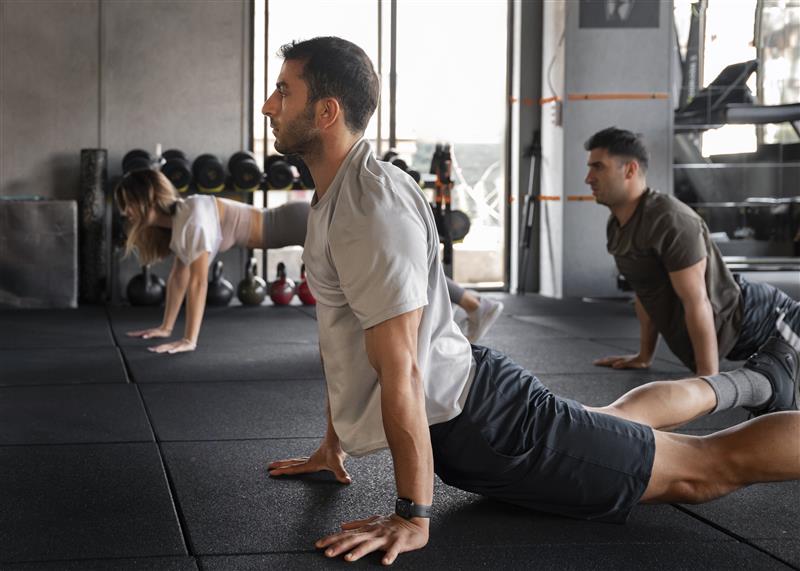
Joint Health for Dads: How to Train Smart and Avoid Injuries Introduction: Strong dads protect their joints first. Joint-proof training keeps fathers moving confidently without setbacks. Joint health for dads is the foundation of long-term fitness, strength, and injury prevention. Training smart not harder helps fathers stay active, pain-free, and consistent without setbacks. As dads age, protecting joints becomes just as important as building muscle. Why Dads Are More Prone to Joint Injuries Many fathers experience joint pain due to a combination of lifestyle factors and training mistakes. Common contributors include: Long hours of sitting Reduced mobility Poor warm-up habits Ego-driven lifting Ignoring recovery Over time, joints absorb stress they were never prepared to handle. The Difference Between Training Hard and Training Smart Training hard focuses on: Heavier weights Higher intensity Pushing through pain Training smart focuses on: Proper movement patterns Joint alignment Gradual progression Recovery and mobility For joint health, smart training always wins. Key Principles of Joint-Proof Fitness for Dads Prioritize Mobility Before Strength Healthy joints need range of motion. Mobility work prepares joints to handle load safely. Daily focus areas: Hips Shoulders Ankles Thoracic spine Just 5–10 minutes of mobility work can significantly reduce injury risk. Strengthen the Muscles That Protect Joints Strong muscles act as shock absorbers for joints. Important muscle groups include: Glutes (protect knees and hips) Core (protect spine) Upper back (protect shoulders) Balanced strength keeps joints stable and supported. Use Joint-Friendly Training Methods Low-impact, controlled movements are safer and more sustainable for dads. Joint-friendly options: Slow, controlled strength training Resistance bands Bodyweight exercises Moderate load with perfect form Pain is not progress. Discomfort is a warning sign. The Role of Recovery in Joint Health Recovery is where joint tissue heals and adapts. Ignoring recovery leads to: Chronic inflammation Stiffness Overuse injuries Support recovery by: Sleeping well Hydrating consistently Including rest days Managing daily stress Recovery protects joints as much as exercise does. Why Warm-Ups Matter More After 30 As dads age, joints produce less synovial fluid, which lubricates movement. Effective warm-ups: Increase joint lubrication Improve coordination Reduce stiffness A proper warm-up should never be skipped even on busy days. Long-Term Benefits of Joint-Proof Training When dads prioritize joint health, they experience: Fewer injuries Better workout consistency Improved daily movement Higher confidence Longer athletic lifespan Joint-proof fitness isn’t about slowing down it’s about staying strong longer. Conclusion: Strong joints are the foundation of strong fathers. By focusing on mobility, controlled strength, and recovery, dads can train safely and stay active for years without injury. At FitDad Club, we believe fitness should support life, not sideline it. Training smart today protects your body for tomorrow. Frequently Asked Questions (FAQ) 1. Why is joint health important for dads? Joint health allows dads to train consistently, avoid injuries, and stay active as they age. 2. Can strength training damage joints? Poor form and overloading can cause damage, but smart strength training actually protects joints. 3. How often should dads train for joint health? Most dads benefit from 3–4 well-structured sessions per week with mobility work included. 4. What is the best exercise for joint protection? Exercises that emphasize control, full range of motion, and proper alignment support joint health best. Recent Posts Help others discover this!