
High Blood Pressure in Men Under 40: Signs, Causes & Fixes
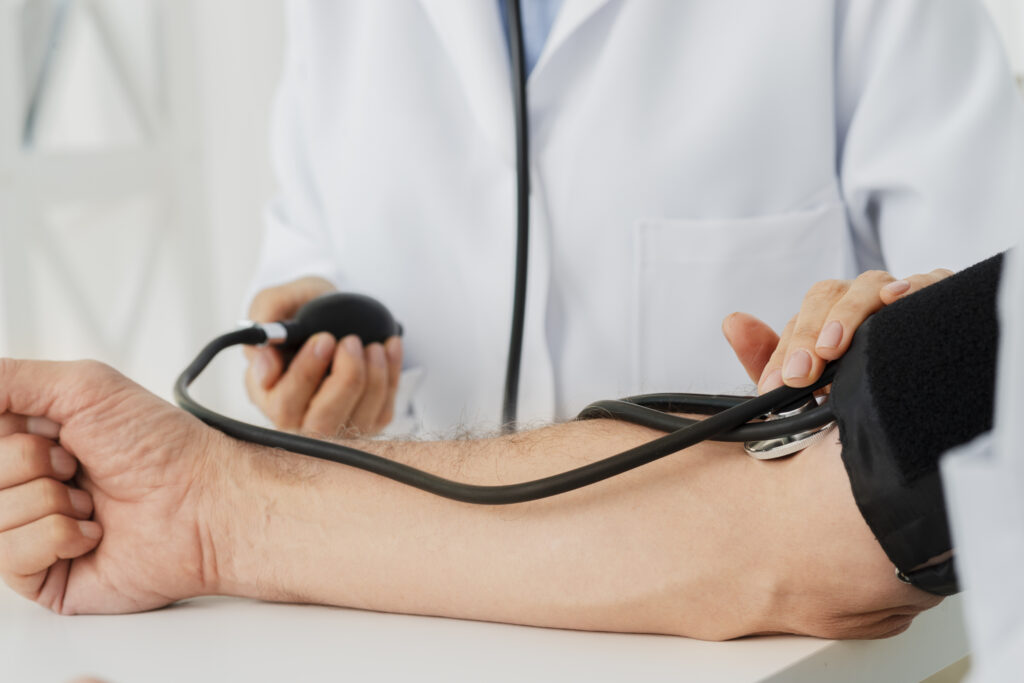
You hit the gym, you’re not “old,” and your last health scare was a bad case of food poisoning. So when a routine check-up, an insurance medical or a pharmacy machine flashes a high reading, your first reaction is probably disbelief.
You’re not alone. High blood pressure in men under 40 is far more common in India than most of us assume. It’s also one of the easiest conditions to miss, because it rarely announces itself. This guide covers what the numbers say, what to watch for, why it’s happening, and what you can do about it starting this week.
How Common Is High Blood Pressure in Young Indian Men?
Hypertension used to be filed under “problems for our fathers.” The data says otherwise.
- The Great India Blood Pressure Survey, presented at the Cardiological Society of India’s annual conference, found that roughly 1 in 5 Indian adults aged 18–39 had hypertension. Only about 15% of them were on treatment, and nearly half of those treated still had uncontrolled readings.
- An analysis of NFHS-4 data found hypertension in about 12.4% of young adult men (18–39), higher than in women of the same age.
- The latest NFHS-6 (2023–24) reports that about 22% of men over 15 have elevated blood pressure or take medication for it, with urban areas higher than rural ones.
- The ICMR-INDIAB study found that hypertension affects more than one in four Indian adults, with a large share undiagnosed.
Figures vary between surveys because of differences in age groups, measurement methods and definitions. The direction is consistent, though: more young men are affected than we’d like, and most don’t know it.
Signs of High Blood Pressure in Young Men (and Why You Might Not Notice)
Here’s the uncomfortable truth: most men with high blood pressure feel completely fine. That’s why it’s called the “silent killer.” Doctors regularly see young patients who walk in with no complaints and leave with a diagnosis.
When symptoms do appear, they’re usually vague and easy to blame on work stress:
- Frequent morning headaches, often at the back of the head
- Unexplained tiredness or feeling “wired but exhausted”
- Dizziness or lightheadedness
- Blurred vision or occasional spots
- Nosebleeds (less common, but worth noting)
- Shortness of breath on stairs that didn’t bother you before
- Pounding heartbeat during quiet moments
None of these confirm hypertension. They’re reasons to get checked, not reasons to panic. The only reliable way to know is to measure.
Why Are Men Under 40 Getting High BP? The Real Causes
Hypertension in your 30s is rarely one thing. It’s usually a stack of small habits and exposures that add up quietly.
1. Too Much Salt, Often Hidden
ICMR studies indicate Indians eat well above the recommended limit of about 5 g of salt a day (roughly one teaspoon). Pickles, papad, namkeen, instant noodles, packaged snacks and restaurant gravies do most of the damage, often more than the salt shaker on your table.
2. Desk Jobs and Low Movement
Long sitting hours, commuting and weekend-only exercise slowly stiffen the vascular system. Fitness isn’t just about weight; inactivity itself raises risk.
3. Belly Fat and Weight Gain
Even a modest increase in abdominal fat strains the heart and affects how blood vessels behave. Indian men tend to carry risk at lower body weights, which is why waist size matters as much as the scale.
4. Chronic Stress and Poor Sleep
Deadlines, EMIs, family responsibilities and late-night scrolling keep your body in “alert mode.” Poor or interrupted sleep is closely linked to higher blood pressure, and untreated sleep apnea (often signalled by loud snoring) is a well-known contributor.
5. Alcohol and Tobacco
An NFHS-based analysis of Indian men found higher odds of hypertension among those who drink alcohol, and studies in young adults link smoking to higher prevalence too. The “weekend only” pattern still counts.
6. Family History, Diabetes and Other Conditions
If your father or grandfather had high BP, you’re more likely to as well. Prediabetes, kidney problems and some hormonal conditions can also play a role. Genetics loads the gun, but lifestyle often pulls the trigger.
Why It Matters More Than You Think: The Long Game
Having high blood pressure at 32 means your arteries, heart, kidneys and eyes are exposed to extra pressure for decades. Researchers note that young adults with hypertension face a higher lifetime risk of cardiovascular disease, including heart attack and stroke. The good news is that early detection gives you the longest runway to reverse course.
How to Check Your Blood Pressure the Right Way
A single reading at a stressful moment tells you very little. A few habits make your numbers more reliable:
- Use a validated upper-arm digital monitor with a correctly sized cuff.
- Sit quietly for 5 minutes with your back supported and feet flat. No phone, no talking.
- Avoid caffeine, smoking and exercise for 30 minutes beforehand.
- Measure at the same times each day (for example, morning and evening) for a week, and note the readings.
- Bring your log to the doctor. A pattern across days is far more useful than one number.
Your doctor will interpret the readings against current Indian and international guidelines. Resist the urge to self-diagnose from a single measurement.
How to Lower Blood Pressure Naturally: Fixes That Actually Work
Lifestyle changes are the foundation of managing high blood pressure in men under 40, and in many early cases they make a real difference. Medication may still be needed for some men, and that’s a medical decision, not a failure.
Rethink Your Plate, Not Your Entire Life
- Cut hidden salt first. Read labels, go easy on pickles and papad, and cook with a lighter hand.
- Add potassium-rich foods such as bananas, coconut water, leafy greens, tomatoes and legumes, unless your doctor has advised otherwise.
- Follow ICMR-NIN dietary guidance: more vegetables, fruits, whole grains and pulses, less ultra-processed food.
- Eat out smarter. Choose dal, sabzi and curd over heavily salted gravies and fried sides.
Move in Ways You Can Sustain
Brisk walking, cycling, swimming or jogging for about 150 minutes a week is a widely recommended starting point. If you sit all day, break it up with 2–3 minute walks every hour. Consistency beats intensity.
Protect Your Sleep and Calm Your Nervous System
Aim for regular, adequate sleep. If you snore heavily or wake up unrefreshed, ask your doctor about a sleep evaluation. For stress, even 10 minutes of slow breathing, a daily walk without your phone, or time with your kids can help reset your baseline.
Trim Alcohol, Quit Tobacco
Both are among the fastest levers you can pull. If quitting feels hard, ask your doctor for support. It’s common and treatable.
Know Your Numbers
Get your blood pressure checked at least once a year, more often if you have risk factors. Pair it with routine blood work for cholesterol, blood sugar and liver health, since these risks tend to travel together.
For Fathers: Turn It Into a Family Habit
Your habits are your children’s blueprint. A few easy swaps make this feel less like a “health program” and more like family life:
- Cook one low-salt family meal a few times a week and let the kids help.
- Make the post-dinner walk a daily ritual.
- Keep fruit and nuts visible; keep chips out of sight.
- Share your health goals openly. Kids notice more than you think.
When to See a Doctor
Book an appointment if your home readings are repeatedly high, if you have a family history of hypertension or heart disease, or if you have symptoms like persistent headaches, chest discomfort or breathlessness. Seek emergency care immediately for chest pain, sudden weakness, trouble speaking, severe headache with confusion, or sudden vision loss.
Final Thoughts
High blood pressure in men under 40 is common, mostly silent, and very manageable when caught early. You don’t need a perfect lifestyle, just a few steady changes: less hidden salt, more movement, better sleep, less alcohol and tobacco, and regular checks. Start by measuring. Knowing your numbers is the first real step toward protecting the years you’ll spend with your family.
Frequently Asked Questions
1. Can a 25-year-old get high blood pressure?
Yes. Indian surveys show hypertension in a meaningful share of adults in their 20s and 30s, especially men with obesity, a sedentary routine, high salt intake or a family history.
2. What are the first signs of high blood pressure in young men?
Often none. When signs appear, they can include morning headaches, dizziness, tiredness, blurred vision or a pounding heartbeat. Regular measurement is the only reliable way to know.
3. What causes high blood pressure in your 30s?
Common causes include excess salt, inactivity, abdominal weight gain, chronic stress, poor sleep or sleep apnea, alcohol, smoking and family history. Often several factors act together.
4. Can high blood pressure be reversed without medication?
In some early cases, sustained lifestyle changes can bring readings down significantly. Whether medication is needed is for your doctor to decide, based on your readings and overall risk.
5. How often should men under 40 check their blood pressure?
At least once a year, and more often if you have risk factors such as obesity, diabetes, a family history or a high-stress lifestyle. Doctors also recommend checking it at routine medical visits.
6. Is stress alone enough to cause hypertension?
Stress can raise blood pressure temporarily and may contribute over time, mainly through its effects on sleep, eating, drinking and smoking habits. It rarely acts alone.