
Snoring & Sleep Apnea in Men: Warning Signs
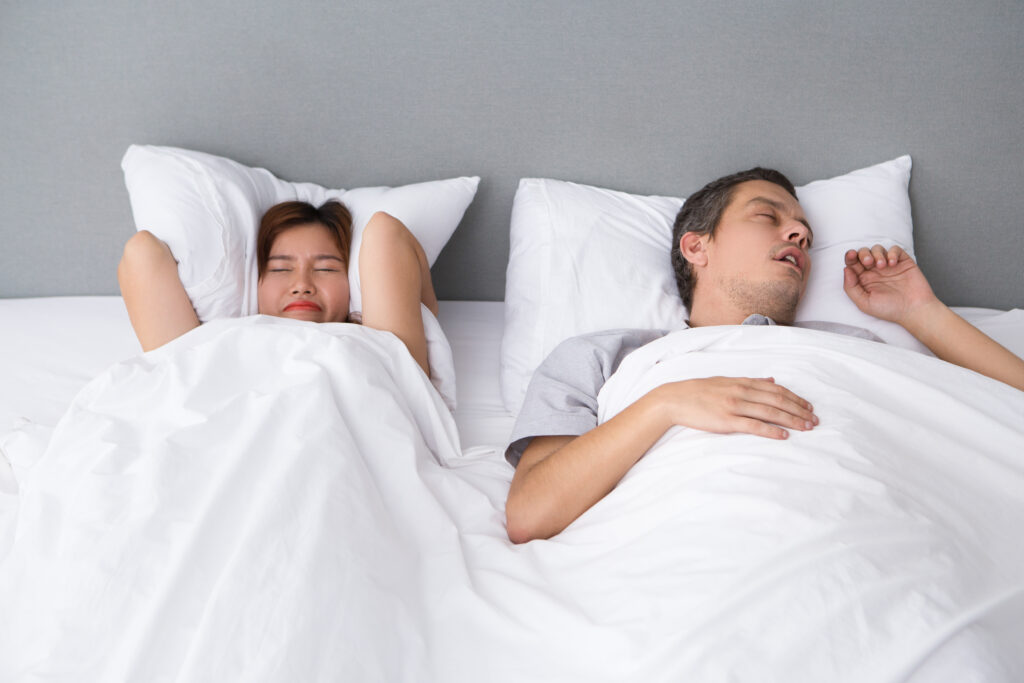
Your wife nudges you awake, again, because you stopped breathing for a few seconds. You wake up gasping, feel embarrassed, and go right back to sleep. By morning, neither of you mentions it. This is how obstructive sleep apnea usually shows up in Indian households: not as a diagnosis, but as a running joke about “loud snoring” that nobody takes seriously until the fatigue, the irritability, and the health checkup numbers all start pointing the same direction.
For men between 25 and 45, snoring is often dismissed as a harmless side effect of a long day, a heavy dinner, or getting older. But research increasingly shows that loud, habitual snoring combined with daytime tiredness can be an early warning sign of obstructive sleep apnea (OSA), a condition that quietly raises your risk of hypertension, type 2 diabetes, low testosterone, and heart disease. Understanding the difference between ordinary snoring and a sleep disorder that needs medical attention could be one of the most important preventive health checks you make this year.
What Is Obstructive Sleep Apnea, Exactly?
Obstructive sleep apnea happens when the muscles at the back of your throat relax too much during sleep, causing the airway to narrow or briefly close. Each time this happens, your brain senses the drop in oxygen and briefly wakes you up, often without you even realizing it, so breathing can restart. This can happen dozens or even hundreds of times a night.
The result is a night that looks like sleep but doesn’t function like one. You never reach the deeper, restorative stages your body needs, which is why you can spend eight hours in bed and still wake up feeling like you didn’t sleep at all.
Snoring itself isn’t a disease. It’s simply the sound of turbulent airflow through a narrowed airway. But when snoring is loud, frequent, and paired with pauses in breathing witnessed by a partner, it becomes a meaningful clinical clue rather than background noise.
How Common Is This in Indian Men?
OSA is far more common in India than most men assume. A pooled analysis of Indian studies covering over 11,000 adults found that around <strong>13% of men</strong> screen positive for OSA on sleep studies, compared to about 5% of women, and researchers estimate this translates to roughly 104 million working-age Indians living with the condition, with close to 47 million having a moderate-to-severe form. Hospital-based and urban cohort studies have reported even higher numbers, with some finding that OSA risk affects over 40% of men screened in certain populations, particularly those with excess weight around the abdomen and neck.
The pattern is consistent across the research: being male roughly doubles your risk of OSA compared to women, largely due to fat distribution patterns, airway anatomy, and hormonal factors. Add in India’s rising rates of abdominal obesity, sedentary desk jobs, and late nights, and you have a generation of fathers who are more exposed to this condition than they realize.
Why "I'm Just Tired" Deserves a Second Look
Every father is tired. Between work deadlines, a toddler who won’t sleep through the night, and the mental load of running a household, exhaustion can feel like the default setting of adult life. That’s exactly what makes OSA-related fatigue so easy to miss — it hides in plain sight, disguised as “normal dad tiredness.”
Here’s the distinction worth paying attention to:
- Ordinary tiredness improves with a good night’s sleep or a relaxed weekend.
- OSA-related fatigue persists even after what should have been adequate sleep, because the sleep itself was fragmented and shallow, not because there wasn’t enough of it.
Common Warning Signs Men Overlook
- Loud, habitual snoring, especially if a partner reports pauses in breathing or gasping/choking sounds
- Waking up with a dry mouth, sore throat, or headache
- Excessive daytime sleepiness, even after 7–8 hours in bed
- Difficulty concentrating, memory lapses, or feeling mentally “foggy” at work
- Irritability or low mood that seems disproportionate to the day’s stress
- Reduced libido or difficulty with sexual performance
- Needing to urinate multiple times at night (nocturia)
- Unexplained weight gain despite no major change in diet
If two or more of these sound familiar, particularly the combination of snoring and unrefreshing sleep, it’s worth treating this as a health signal, not a personality trait.
The Deeper Health Risks Behind Snoring
This is where the topic moves from “annoying” to genuinely important for preventive health. Untreated OSA doesn’t just affect how tired you feel; it interacts with several systems in the body that matter enormously for men in their 30s and 40s.
Cardiovascular Strain
Every apnea episode causes a brief spike in blood pressure as the body fights to reopen the airway. Repeated hundreds of times a night, this contributes to sustained high blood pressure, irregular heart rhythms, and elevated long-term cardiovascular risk, findings that have been consistently observed in Indian cohort studies linking OSA to hypertension and metabolic syndrome.
Metabolic and Blood Sugar Impact
Fragmented sleep disrupts the hormones that regulate hunger and insulin sensitivity. Indian population studies have found a significant association between OSA and both diabetes and metabolic syndrome, creating a two-way relationship: excess weight increases OSA risk, and OSA in turn makes healthy blood sugar regulation harder to maintain.
The Testosterone Connection
This is a link many men don’t expect. Research on sleep-disordered breathing shows that low oxygen levels and disrupted sleep architecture can suppress the hormonal signaling pathway responsible for testosterone production, and studies have found an inverse relationship between OSA severity and serum testosterone levels in men, meaning more severe apnea tends to track with lower testosterone. This fits into a broader pattern we’ve covered before: fatigue, low testosterone, and vitamin D deficiency often travel together, and poor sleep quality can be an underlying driver connecting all three.
Mood, Focus, and Family Life
Chronic sleep fragmentation is associated with irritability, reduced patience, and lower cognitive performance, all of which can quietly affect how present and patient you are as a partner and parent, long before any lab test flags a problem.
What You Can Actually Do About It
The encouraging part of this story is that OSA is highly manageable once identified. You don’t need to panic, you need a clear next step.
1. Get a Proper Screening, Not a Guess
If your partner has mentioned loud snoring or breathing pauses, don’t self-diagnose based on symptoms alone. A doctor can use validated screening questionnaires and, if needed, refer you for a sleep study (polysomnography or a home sleep test) to measure how often your breathing is interrupted overnight.
2. Address Weight Around the Neck and Abdomen
Excess fat around the neck and upper airway is one of the strongest modifiable risk factors for OSA. Even a modest reduction in weight, in the range of 5–10% of body weight, has been shown to meaningfully reduce snoring severity and apnea episodes in many men.
3. Rethink Evening Habits
- Avoid alcohol within 3–4 hours of bedtime, as it relaxes throat muscles further
- Sleep on your side rather than your back to reduce airway collapse
- Treat nasal congestion or allergies, which can worsen airway narrowing
- Keep a consistent sleep schedule, even on weekends
4. Follow Through on Medical Treatment
For moderate-to-severe OSA, doctors commonly recommend CPAP (Continuous Positive Airway Pressure) therapy, which keeps the airway open throughout the night using gentle air pressure. Adherence can feel inconvenient at first, but most men report a dramatic improvement in energy, mood, and focus within weeks of consistent use. In select cases, dental devices or ENT-guided interventions may also be appropriate.
5. Build the Foundations That Support Better Sleep
Regular physical activity, strength training, and attention to nutrition don’t just support weight management, they improve sleep quality directly by regulating stress hormones and improving cardiovascular fitness, both of which reduce airway collapsibility during sleep.
The Bottom Line
Snoring is easy to laugh off. Tiredness is easy to blame on parenting, work, or just “getting older.” But when the two show up together, loud snoring, witnessed breathing pauses, and daytime fatigue that doesn’t improve with rest, it’s worth taking seriously as a preventive health issue, not a household inconvenience. Obstructive sleep apnea affects a meaningful share of Indian men in their prime working and parenting years, and it’s directly linked to blood pressure, blood sugar, testosterone, and long-term heart health.
The good news: this is one of the more fixable pieces of the men’s health puzzle. A conversation with your doctor, an honest look at your evening habits, and, if needed a sleep study can be the first step toward waking up actually rested, for your own sake and for the family that depends on your energy every single day.
This article is for educational purposes and isn’t a substitute for professional medical advice. If you or your partner have noticed loud snoring, breathing pauses, or persistent daytime fatigue, please consult a physician or sleep specialist for proper evaluation.
Frequently Asked Questions
Is snoring always a sign of sleep apnea? No. Occasional or mild snoring is common and often harmless, caused by factors like nasal congestion, sleeping position, or alcohol. It becomes a concern when it’s loud, habitual, and accompanied by witnessed pauses in breathing, gasping, or persistent daytime fatigue.
Can losing weight cure sleep apnea? For many men, especially those with mild-to-moderate OSA linked to excess weight around the neck and abdomen, weight loss can significantly reduce or even resolve symptoms. However, some men with anatomical airway factors may still need medical treatment even after losing weight.
How is sleep apnea diagnosed? Diagnosis typically starts with a clinical screening questionnaire and a discussion of symptoms, followed by a sleep study, either an at-home test or an overnight polysomnography in a sleep lab, which measures breathing patterns, oxygen levels, and sleep stages.
Does sleep apnea affect testosterone levels? Research suggests a connection: disrupted, oxygen-deprived sleep can interfere with the hormonal signaling that drives testosterone production, and studies have found that more severe sleep apnea tends to correlate with lower testosterone levels in men.
At what age should men start worrying about sleep apnea? While OSA can occur at any age, risk rises notably from the mid-30s onward, particularly with weight gain, sedentary lifestyles, and family history. Men in this age range experiencing loud snoring and unexplained fatigue should consider a screening rather than waiting for symptoms to worsen.
Can CPAP therapy really improve daily energy levels? Yes. Most men who use CPAP consistently report noticeably better daytime energy, mood, and concentration within a few weeks, as the therapy allows the body to finally reach deeper, uninterrupted stages of sleep.